Skip to content
Booking projects for next month. Free website audit with every quote.Claim yours →

Health and wellnessBooking projects for November

Veterinary Website Development Company: New Clients Booked, Emergencies Routed

A vomiting dog at 10 p.m., a new kitten's first visit and a refill request need three different paths, and a template sends all of them to the same contact form. We build vet hospital sites that route emergencies to the right number, book new clients into your schedule, put refills and records one tap away, and show which source sent each call, booking and refill request, as far as your booking tool reports it.

  • Built for veterinary hospitals and clinics
  • Fixed quote in 1 business day
  • You own everything
yourvet.com/new-clientsNew dogs and catswelcomeBook a visitTap to callNew client: puppy first visitFrom /puppy-kitten-care · 8:42 pmTracked as a leadSource: GoogleAI ASSISTANTWhich vet near me is taking newpatients?Your Practice: Fear Free, new clientswelcome, book online today.Source: your website
Illustration: a visit becomes a tracked lead

The short answer

What does a veterinary website development company do?

A veterinary website development company builds websites for animal hospitals and vet clinics that turn local searches for a new vet, a sick pet visit, a dental cleaning or an emergency into booked appointments, routed calls and new client records. The site has to tell a worried owner at 11 p.m. whether to call you or drive to the partner ER, show which species you see and which doctors are on staff, explain what an exam, dental or spay includes and how estimates work, and give existing clients one tap to refills, records, the online pharmacy and bill pay.

For a general practice that means one page per service and per species you treat, a new client page with forms and records transfer, an urgent care and after-hours page with the partner ER's phone and address, a pricing and payment page, location and doctor pages, and a careers page for associate DVMs and credentialed technicians. Emergency and specialty hospitals add triage and owner presence policies, deposit and estimate terms, and a referring veterinarian portal.

Billion Web Studio is a veterinary website development company that delivers this as one fixed-scope project: design, service and species pages, VeterinaryCare schema, call, booking and refill tracking in GA4, and online booking through PetDesk or the scheduler tied to your PIMS (Cornerstone, Avimark, ezyVet and others). You own the site, the domain and every account from day one, with no monthly bundle and no lock-in.

The market

What the numbers say about veterinary hospitals and clinics online

58.9 million US households have a dog and 46.0 million have a cat (AVMA 2026). Every new puppy, every move and every bad visit at the old clinic sends an owner looking for a vet. They choose from more than 36,000 practices, check recent reviews and, more and more, ask an AI assistant first. Vet prices have risen more than twice as fast as prices overall, so owners arrive with cost questions before they book. These are the numbers that shape what your site has to answer.

How they choose

How pet owners find and choose a veterinary practice

A new client relationship starts with one of a few triggers: a new puppy or kitten, a move, a sick pet the old clinic cannot fit in this week, or a scare at night. Each one ends with a call, an online booking or a drive to the ER. Here is how a US pet owner picks a vet and what your site has to do at each step.

  1. 1

    The trigger: a new pet, a move or a sick one

    The search is plain: "vet near me accepting new patients", "puppy shots near me", "cat vet", "emergency vet open now". Your site needs a page for each of those, with today's hours, the phone number and a Book button at the top on a phone, and an "Is this an emergency?" link on every page.

  2. 2

    The shortlist: map pack, AI answer, two or three sites

    Owners start on Google and now often ask ChatGPT or Google's AI Mode too. Your hospital name, phone, hours, species and services must read the same on your site and your Google Business Profile, so every source repeats the same facts.

  3. 3

    The check: reviews, species, doctors and price

    BrightLocal found 74% of consumers care only about reviews from the last three months. Owners also look for whether you see cats only or exotics, Fear Free or Cat Friendly status, who the doctors are, and what a wellness exam or dental cleaning costs or how estimates work. Silence on price sends them to the phone to call around.

  4. 4

    The contact: book, call or drive to the ER

    A new client books online if your scheduler lets them, or calls during hours. After hours, the site has to send them to your partner ER with its phone, address and map link, and keep urgent cases off the booking form. A reason-for-visit field can catch words like "bleeding" or "ate" and tell the owner to call now.

  5. 5

    The relationship: refills, reminders and the next ten years

    After the first visit the site becomes a service desk: refill requests, the online pharmacy, records requests, bill pay, wellness plan sign-up and reminder texts. A dog household spends $595 a year on vet care on average (AVMA 2026), so keeping that client matters as much as winning a new one.

The problem

Why most veterinary websites lose new clients

What we find again and again when we audit sites in this trade. None of it is about how the site looks.

Leak 01

After-hours visitors land on a booking form

At 10 p.m. a worried owner opens your site on a phone and finds a request form and weekday hours. On hospital sites we reviewed, after-hours ER partners were named with no phone number or address, and one promoted same-day emergency care next to weekday-only hours. A pet that needs care now needs the partner ER's number, address and map link, not a form someone reads in the morning.

Leak 02

The Book button never reaches the schedule

On vet sites we reviewed, a Book Appointment button opened a list of locations, menus carried "#" placeholder links and "More Info" buttons went nowhere. Often the scheduler is not embedded at all, or nobody set which appointment types new clients may choose. Each dead end is a new puppy owner who calls the next clinic.

Leak 03

Refills, records and the pharmacy are bolted on

A Colorado hospital on a website builder asked the builder's help forum how to add two header buttons, one for medical records and one for the online pharmacy, because the code was beyond them. Existing clients look for refills, records, bill pay and the portal on every visit. When those links are buried or missing, the front desk takes the calls instead.

Leak 04

Copy that is shared, copied or stale

An animal hospital in Florida with about 30 years of practice could not rank for its own name: its homepage text had been copied onto directory sites that outranked it. Template copy shared across many vet sites has the same weakness. Add an old COVID notice, broken videos, character-encoding errors and a 2020 copyright year, and the site tells owners nobody is minding it.

Leak 05

No word on price, so owners phone around

Prices for veterinarian services rose 20.4% in three years (BLS CPI). A pet owner in r/Pets described calling four or five clinics to price a senior blood panel, and another refused to pay for an exam just to learn a spay is out of budget. A site that says nothing about exam fees, estimates or payment plans loses them before they call, and the price argument moves to your reviews.

Leak 06

One word can switch off your best lead source

A veterinary hospital in Boston added "Pharmacy" to its homepage and Google suspended its search ads and Local Services Ads; the LSAs, its biggest lead source, stayed off for about two months of appeals. An agency running ads for vet hospitals reports ads flagged because the hospital sites link to third-party online pharmacies. A template drops the pharmacy link wherever it fits, including the pages your ads point to.

Generic vs built for you

Why a generic website fails veterinary hospitals and clinics

A template is built to fit every business, so it fits yours badly. Here is what changes when the site is planned around how pet owners actually buy.

Generic website compared with a website built for veterinary hospitals and clinics
What you needGeneric template siteBuilt for veterinary hospitals and clinics
After-hours emergenciesWeekday hours and a contact formAn urgent care page with what counts as an emergency, your walk-in policy, the partner ER's phone, address and map link and pet poison control numbers, linked from every page
New client bookingA generic appointment widget that emails the front deskPetDesk or your PIMS scheduler embedded, with the appointment types new clients may book set by you, and a request form fallback that says when you will confirm
Existing client self-serviceHeader buttons you have to code yourselfRefills, records requests, online pharmacy, portal and bill pay in the menu and the mobile bar, each tracked as its own event
Species you see"We treat all pets"Species pages for dogs, cats, exotics, birds and rabbits as they apply, and a plain statement of which species you refer out
Prices and estimatesNothing, or "call for pricing"A pricing and payment page: what an exam, wellness visit, dental and spay include, how estimates and deposits work, payment plans, financing and pet insurance reimbursement
Doctors and credentialsStock photos and "our specialists"Real doctor pages with DVM school and interests, "board certified" only for diplomates with the specialty named, "credentialed" only for technicians who hold the state credential
Hiring DVMs and techniciansA careers line in the footerCareers pages for associate DVMs, technicians and CSRs with JobPosting markup and a short application tracked apart from client leads

Free self-check · 2 minutes

What your current veterinary website is missing

Tick everything your site does today. Each box you cannot tick is a place where a ready-to-buy visitor leaves.

What you need

What every veterinary website needs

The features that turn a veterinary website from a brochure into the best salesperson you have. We build all of them.

  1. Must-have · 01

    Today's hours, phone and Book at the top

    The phone number as text, today's hours and a Book button at the top of every page, with a sticky call, book and emergency bar on mobile. The number matches your Google Business Profile and your schema.

  2. Must-have · 02

    An urgent care and after-hours page

    What counts as an emergency (trouble breathing, heavy bleeding, a suspected toxin, a cat straining to urinate), whether you take walk-ins or same-day sick visits, the partner ER's phone, address and map link, and pet poison control numbers. Never a booking form for an emergency.

  3. Must-have · 03

    A new client page

    What to bring, how to send records from the old vet, the forms to fill in before the visit, what the first exam includes, and puppy and kitten first visit details. It answers "Are you accepting new patients?" in the first line.

  4. Must-have · 04

    One page per real service

    Wellness exams and vaccines, puppy and kitten care, senior care, dentistry with dental X-rays, spay and neuter, soft tissue surgery, diagnostics, dermatology and allergies, parasite prevention, microchipping, travel health certificates, behavior and end-of-life care, plus boarding or grooming where you offer it.

  5. Must-have · 05

    Species pages and earned trust badges

    A cat page if you are cat friendly, an exotics page if you see rabbits, birds or reptiles, and a plain list of species you refer out. AAHA accreditation, Fear Free, Cat Friendly Practice and, for ER hospitals, VECCS facility level are shown only while current and only on the location that holds them, each linked to the issuing body's listing.

  6. Must-have · 06

    Online booking tied to your PIMS

    PetDesk or the scheduler that syncs with Cornerstone, Avimark, ezyVet or your system, embedded with the appointment types you choose for new and existing clients, same-day slots held back and source data passed through. Euthanasia, surgical consults and urgent cases stay on the phone.

  7. Must-have · 07

    For ER and specialty hospitals: triage, intake and referrals

    An "On my way" page with a call button, a texted or online intake form to fill in before arrival, how triage and wait times work, whether owners can stay with their pet, deposit and estimate terms, and payment options. Specialty hospitals add one page per specialty with the board-certified doctor named, and a referring veterinarian portal with a referral form, records upload and a confirmation sent back to the referring clinic.

  8. Must-have · 08

    Refills, records, pharmacy and bill pay one tap away

    A refill request form, a records request form, your online pharmacy store (for example a Vetsource store), the client portal or app and bill pay, all in the menu and on the mobile bar, with your pharmacy policy stated plainly: your own store, written prescriptions and how long approvals take.

  9. Must-have · 09

    Pricing, payment, wellness plans and pet insurance

    What a wellness exam, dental cleaning and spay include, how estimates and deposits work, payment plans and third-party financing, and how pet insurance reimburses the owner. Wellness plan terms (what is covered, the monthly price, renewal and cancellation) sit beside the sign-up, with a note that a plan is not insurance. NAPHIA counts 7.6 million insured pets in North America at the end of 2025, so owners ask.

  10. Must-have · 10

    Doctor, team and location pages

    Each DVM with school, years and interests; board certification only where true, with the specialty named; technicians called credentialed only where they hold the state credential. One page per hospital with hours, doctors, parking, photos and written directions that match the map pin.

  11. Must-have · 11

    Careers for DVMs and technicians

    Associate veterinarian, credentialed technician, assistant and CSR openings with schedules, benefits, real photos, JobPosting markup and a short application that lands in a hiring inbox, apart from client leads.

  12. Must-have · 12

    VeterinaryCare schema and fast mobile pages

    schema.org VeterinaryCare markup with opening hours, services and phone for each hospital, plus Core Web Vitals targets of LCP 2.5 seconds or less, INP 200 ms or less and CLS 0.1 or less.

What we build

The veterinary website we would build for you

Here is the sitemap we would start from for an independent small-animal hospital. We cut or add pages to match the services you actually offer, the species you see and the number of hospitals you run.

yourcompany.comHome · every section links here

Care and services

  • Wellness exams and vaccines
  • Puppy and kitten care
  • Senior and end-of-life care
  • Dentistry and dental X-rays
  • Spay, neuter and soft tissue surgery
  • Diagnostics, dermatology and allergies
  • Telehealth and video visits (states licensed, VCPR rules)
  • Boarding and grooming, where offered

Urgent and emergency

  • Is this an emergency?
  • Same-day sick visits
  • After-hours partner ER
  • Toxin and poisoning guidance
  • ER hospitals: triage, waits and owner presence
  • Referring veterinarian portal

Species

  • Dogs
  • Cats and cat-friendly visits
  • Exotics, birds and reptiles
  • Rabbits and small mammals
  • Species we refer out

Clients

  • New clients and forms
  • Records transfer and records request
  • Prescription refill request
  • Online pharmacy
  • Client portal and bill pay
  • Pricing, estimates and payment plans
  • Pet insurance
  • Wellness plans

Locations and team

  • Location page for each hospital
  • Service area pages for mobile and house-call practices
  • Doctors
  • Technicians and support team
  • Accreditation and certifications
  • Reviews

Practice

  • About and ownership story
  • Careers for DVMs, technicians and CSRs
  • Travel health certificates
  • Pet health guides written by your doctors
  • FAQ
  • Accessibility statement and privacy policy
  • Contact

Calls, bookings, leads

How we turn visitors into new clients

Good website design for veterinarians is judged in booked appointments: a visitor becomes a new client booking, a same-day sick visit, a routed emergency, a refill request or a job applicant, and you can see where each one came from. This is how we build that path and track it.

  • 01Sticky call, book and emergency bar on mobileCall, Book and Emergency buttons stay at the bottom of the screen on every page. Each tap is a GA4 event tagged with the page, so you know whether the puppy page or the dental page fills the schedule.
  • 02Online booking from the tools you already pay forWe embed PetDesk or the scheduler that syncs with your PIMS, add a plain link fallback and make a real test booking before launch. UTM values pass through where the tool allows it, so the appointment shows where it came from.
  • 03A new client request form that asks what the front desk needsSpecies, breed and age, reason for visit, new or returning, previous vet for records, preferred days and how many pets. If you take a deposit or charge for missed new client visits, the terms appear before the client submits.
  • 04Emergency routing that skips the formDuring hours the emergency button calls you; after hours it shows the partner ER's number and directions. A reason-for-visit answer that mentions bleeding, poisoning or trouble breathing prompts the owner to call instead of waiting for a reply.
  • 05Client service and hiring counted separatelyRefill requests, records requests, pharmacy store clicks, portal logins and bill pay clicks are separate events, and DVM, technician and CSR applications go to a hiring inbox with the job source recorded, so neither inflates your new client numbers.
  • 06Call tracking that does not break your listingsTracking numbers swap in only for visitors from ads and campaigns. Your main hospital number stays in the page text, the VeterinaryCare schema and your Google Business Profile, so map listings and AI answers keep one number.
  • 07A monthly report you can readCalls, bookings, new client requests, refill requests, pharmacy clicks and applications by source and page, in plain numbers. You see which channel brings new clients and which only brings existing ones back.

AI search

Pet owners now ask ChatGPT, Google AI Mode and Perplexity which vet to see. BrightLocal found 45% of consumers used AI tools for local recommendations in 2026, up from 6% a year earlier, and Pew found that when Google shows an AI summary, people click a regular result on 8% of visits against 15% without one. Technicians in r/VetTech already describe new clients arriving with an AI-generated vaccine list. AI assistants answer from text they can read, so your site has to say plainly which species you see, what you offer, when you are open, what to do after hours and who your doctors are.

Questions your pet owners ask AI assistants

  • Which vet near me is accepting new patients this week?
  • Is there an emergency vet open near me right now, and do I need an appointment?
  • Which vet near me sees rabbits, birds or reptiles?
  • Which vet is good with a nervous rescue dog, and is it Fear Free?
  • How much does a dog dental cleaning cost at vets near me?
  • Does my cat need a vet visit before a travel health certificate?
  • A page for every search that books a visit

    "Vet near me accepting new patients", "puppy shots near me", "cat vet", "dog dental cleaning", "emergency vet open now": each gets its own page that answers the question in the first lines, plus a location page per hospital that backs up your Google Business Profile. At launch we verify Search Console, submit the sitemap and 301-redirect every old URL, so pages that already rank keep their place.

  • Facts as text, not images or PDFs

    Species seen, services, hours, walk-in and after-hours policy, partner ER, doctors and accreditations as plain text on the page. An assistant cannot quote hours that live only in a social media image or a PDF. No one can guarantee an AI mention; we make sure what assistants find is accurate.

  • One identity across site and profile

    The same hospital name, phone, hours, address and services on your site, Google Business Profile and listings.

  • Pages that answer what owners ask

    Is this an emergency, which vaccines a puppy needs, what a travel health certificate involves, what a dental cleaning includes, whether you see exotics. Each answered in the first lines of the page, in your doctors' words, so AI tools quote your rules rather than a generic list.

  • VeterinaryCare schema

    schema.org has a VeterinaryCare type for vet offices, and many practice owners do not know it exists. We mark up each hospital with it, plus opening hours, services and phone, so search engines and AI systems read the same facts the visitor sees.

  • Proof an assistant can repeat

    Doctor credentials, current accreditations, years in practice, your Google rating linked to the profile and recent reviews. A steady flow of recent reviews matters more than an old total.

Compliance and trust

The rules a veterinary website has to get right

A vet hospital site makes claims that state veterinary boards, the FTC and Google all have rules about: specialist titles, telehealth, testimonials, pharmacy links, reminder texts and client confidentiality. We build pages and forms that support these rules. We do not certify legal compliance; you confirm your state's rules with your veterinary board and your counsel.

Client confidentiality, and why HIPAA is the wrong label

HIPAA's definitions cover the health information of people (45 CFR 160.103), so animal patient records are not protected health information. State law covers them instead: California Business and Professions Code 4857, for example, bars a vet from disclosing information about an animal patient or its client without consent, a court order or a legal requirement. We send forms over HTTPS to a secure form or PIMS provider, keep ad pixels off intake, refill and portal pages, and do not sell you a "HIPAA-compliant" label.

Specialist and board-certified claims

Texas rules (22 TAC 573.32) let only a vet certified by an AVMA-recognized specialty board advertise as a specialist, with the specialty named. California B&P 4883 treats false or misleading advertising, and specialist or board-certified claims without that certification, as grounds for discipline. AVMA's ethics code says a general practitioner may say "practice limited to" but not "specialist", and that "board eligible" is misleading. We write doctor pages to that standard.

Telehealth and the VCPR

Federal rules define a valid veterinarian-client-patient relationship for extralabel drug use (21 CFR 530.3). Since January 1, 2024, California lets a VCPR be set up by live video but not by audio only or a questionnaire, and requires client consent and the vet's name, contact details and license number before telehealth. Telehealth pages say which states your vets are licensed in, whether new clients need an in-person exam first, and that prescriptions need a VCPR.

Online pharmacy links and Google Ads

Google's healthcare and medicines policy restricts online prescription drug services and requires pharmacy certification. One vet hospital lost its search ads and Local Services Ads after adding the word "pharmacy" to its homepage, and an agency reports ads flagged over links to third-party online pharmacies. We place your pharmacy store link where clients need it and keep it, and drug names, off the pages your ads use. We cannot promise Google will not flag an account.

Reviews, testimonials and review replies

The FTC Consumer Reviews and Testimonials Rule (16 CFR Part 465) bans fake reviews, rewards tied to positive sentiment and undisclosed staff reviews, and Google bars businesses from selectively asking for positive reviews. AVMA's guidance on complaints says to take the conversation offline, never share confidential details and never offer a discount to counter a bad review. Review requests go to every client the same way, and reply templates confirm nothing about a visit.

Accessibility and reminder texts

The Justice Department says the ADA applies to businesses open to the public, including what they offer online, and points to WCAG. We build to WCAG 2.1 or 2.2 AA: contrast, labeled forms, keyboard use, captions and alt text, not an overlay plugin. Forms that collect a mobile number say which reminder texts the client will get and how to opt out, and marketing texts get their own consent under the TCPA.

We build with tools and patterns that support these rules and document what we set up. For legal advice on your own obligations, talk to your attorney.

From the forums

What veterinary hospitals and clinics ask about websites, answered

We read what veterinary owners, practice managers and technicians ask in r/Veterinary, r/veterinarians, r/VetTech, r/veterinaryprofession and r/VetPracticeManagement, what pet owners say in r/Pets, and what hospitals post in Google's own Business Profile, Ads and Search Central communities. Much of the private talk happens on VIN boards and in Facebook owner groups, which are members only, so we do not quote them. These are the public questions, paraphrased, with our straight answers.

Where owners talkr/Veterinaryr/veterinariansr/VetTechr/veterinaryprofessionr/VetPracticeManagementGoogle Business Profile CommunityGoogle Ads CommunityGoogle Search Central Community

Asked on Google Ads Community

“We added the word "Pharmacy" to our homepage and Google suspended our search ads and Local Services Ads. What happened?”

Our answer: Google's healthcare and medicines policy restricts online prescription drug services. In the thread, search ads came back once the word was removed, but the LSAs, the hospital's biggest lead source, stayed off for about two months of appeals. Read the exact suspension message, since support will not say what to fix. On a site we build, the pharmacy link lives where clients need it (refills, portal, menu) and stays off the pages your ads point to. We cannot promise Google will never flag you.

Asked on Google Search Central Community

“Our animal hospital has been here for decades, yet our website does not come up when people search our own name. Why?”

Our answer: A Gold Product Expert found the hospital's homepage text copied onto directory sites, which then ranked above it, and advised rewriting the homepage with original, more useful copy. Keep your address on the site and link it to your Business Profile. A rebuild with us starts with original copy written from your doctors, services and history, plus Search Console verification and a sitemap.

Asked on Google Search Central Community

“We launched a new clinic website and submitted it twice, but searching the clinic name still does not find it. What did we miss?”

Our answer: New sites take time to be crawled and indexed. The property should be verified in Search Console, a sitemap submitted and every old URL redirected to its new page. That launch work is part of our build, not something we leave to you.

Asked on Google Business Profile Community

“I bought a practice that used to run under another hospital name and cannot reach the old profile owner. How do I get my name on Google?”

Our answer: A Diamond Product Expert said a new business at that address needs its own new profile. Plan the name change across the profile, listings, website and redirects at the same time, so the old name stops showing and AI tools stop repeating it. We handle the site side: the new name, redirects from the old domain and location pages with the correct details.

Asked on Google Business Profile Community

“Someone with no record at our hospital left one star about the price of a surgery he never booked, and our appeal is stuck. What can we do?”

Our answer: Removal is slow and out of your hands. Reply calmly for future readers, without confirming the reviewer was a client or describing any care, since state confidentiality rules and AVMA guidance both point that way. Then make your site answer the price question first: what a surgery estimate includes, and how deposits and payment plans work.

Asked on r/VetPracticeManagement

“A new client no-showed three pets for annual exams the day after confirming. Should we take a card to hold new client bookings?”

Our answer: The owner who asked disliked taking a card from new clients, and practices handle it in different ways. If you do take a deposit or charge for missed visits, say so on the booking page and in your terms before anyone books, not in a confirmation text afterwards. We build that wording into the new client booking path.

Asked on r/veterinaryprofession

“We are opening an independent practice, and several vet website companies we liked turned out to be owned by large corporate groups. Who can we trust with our data?”

Our answer: The best reply pointed the owner to an independent owners' group for names. Whoever you pick, ask who registers your domain, what is assigned to you in writing, whether the term auto-renews or carries an exit fee, and what an export contains. With us the domain, code, content and accounts are in your name from day one.

Asked on r/VetTech

“Should our clinic publish a price list online?”

Our answer: A tech who has worked both ways preferred no full list, because clients arrive with a price in mind for care they assumed they needed, but saw no problem listing vaccines and basic tests. One pet owner in r/Pets described calling four or five clinics to price basic care. The middle path: publish the fixed-price items, and explain what an exam includes, how estimates and deposits work and what a dental or spay quote depends on.

Asked on r/VetTech

“A new client arrived with a ChatGPT list of vaccines and assumed a travel health certificate was a quick signature. How do we head that off?”

Our answer: You cannot stop clients asking AI, but you can give AI your rules to quote. A travel certificate page that says a DVM appointment is needed and the requirements depend on the destination, and a vaccine page in your doctors' words, give assistants an accurate source. The same pages answer the client before they reach the desk.

Asked on r/veterinarians

“I am starting a mobile practice. How do I decide where to work and get found there?”

Our answer: A long-time owner described comparing the number of vets per head of population between towns before choosing. Once you pick your area, publish it: one page per town or zip cluster you cover, with travel fees, the services you can and cannot do in the home, and how you handle emergencies and euthanasia. Your Google Business Profile can hide your home address and show a service area, and the site should list the same towns.

Questions are paraphrased from public threads. We never quote members by name.

Others vs us

Veterinary website design options: Billion Web Studio vs a website builder template vs a typical veterinary marketing agency

The three ways veterinary hospitals and clinics usually get a website, side by side.

Veterinary website design options: Billion Web Studio vs a website builder template vs a typical veterinary marketing agency
Billion Web StudioWebsite builder templateTypical industry agency
Who owns the site, domain and contentYou do, from day one, in your own accountsYou own the content; the site lives on the builder's platformVaries; some assign only your logo, photos and copy, and some hold the domain
Contract and pricingFixed quote in 1 business day, agreed before work starts, no lock-inMonthly subscription, you build it yourselfWebsite inside a monthly bundle, often 12 months or more with auto-renewal
After-hours and emergency routingUrgent care page, partner ER details and an emergency button on every pageA contact page and your hoursVaries; often a phone number and a form
Online booking with your PIMSPetDesk or your PIMS scheduler embedded, tested with a real bookingEmbed code if the builder allows itOften their own request form or pet portal
Refills, records, pharmacy and bill payIn the menu and mobile bar, each tracked as its own eventHeader buttons you code yourselfUsually present, often inside their portal
Specialist, telehealth and review wordingWritten to state board rules, AVMA ethics and the FTC review ruleWhatever you writeVaries; some still sell "HIPAA-compliant" vet sites
Copy and pagesOriginal copy from your doctors, services and speciesTemplate text you editShared template copy across many practices is common
Tracking by sourceGA4 events for calls, bookings, refills and applications, report in plain numbersBasic form countsTheir dashboard, which may stay with them if you leave

Why Billion Web Studio

What we do better, and why it matters to you

  • A fixed quote in 1 business day, with a free audit

    We review your current site, booking path, after-hours routing, profile match and tracking, then send a written scope and a fixed price based on pages, features, integrations and content. No hourly billing and no monthly bundle you cannot leave.

  • You own everything from day one

    Code, design, content, domain, hosting, analytics and call tracking accounts in your practice's name. Leave any time and take everything with you.

  • Built around how a vet hospital runs

    As a veterinary website development company we start from the four jobs your site does: book new clients, route urgent cases, serve existing clients with refills, records and the pharmacy, and recruit DVMs and technicians. Each job has its own pages, forms and tracking from the first week.

  • Careful with the rules that trip vet sites

    Doctor titles written to state board and AVMA standards, telehealth and VCPR wording, confidential review replies, and no HIPAA label that does not apply.

  • A purchase or move that does not break your listings

    After a practice purchase, a rename or a move, we update the site, redirect the old URLs and check that name, phone, hours and address match your Google Business Profile, so directions and AI answers stop pointing to the old building.

  • A dated plan and a guarantee on it

    A week-by-week plan, weekly written updates and 30 days of free support after launch. If we slip a date because of us, the next month of support is free.

In writing, before we start

  • Fixed quote in 1 business day

    Scope, deliverables and price agreed in writing, with a free audit of your current site. No hourly billing.

  • Launch date in writing

    A dated week-by-week plan and a written update every week. If we slip because of us, the next month of support is free.

  • You own everything

    Code, design, content, domain and accounts are yours from day one. No 12-month contract, no rented site.

  • 30 days of support included

    We watch rankings, forms and call tracking after launch and fix anything that needs it.

Proof, not promises

Results from websites we have built

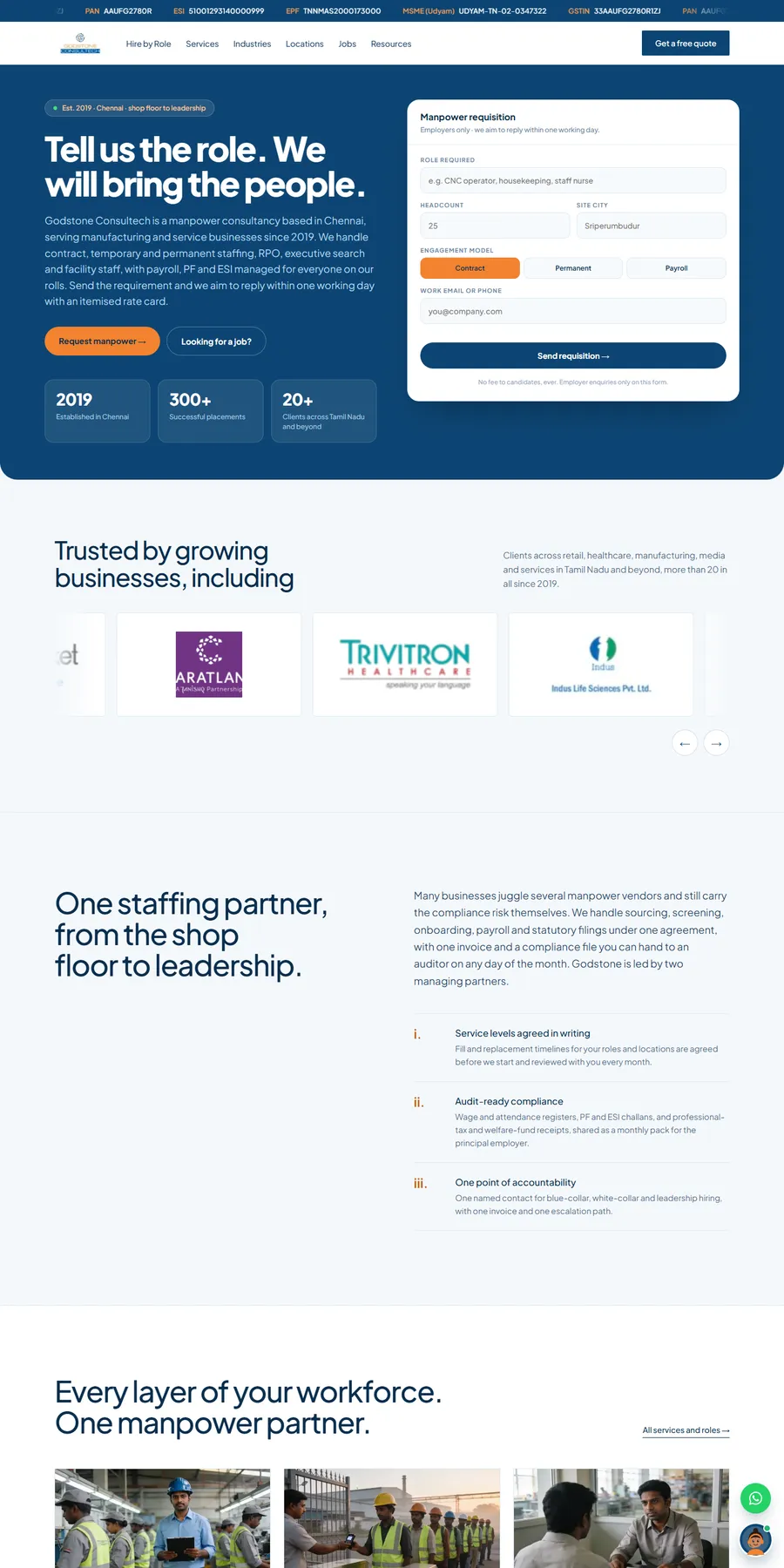
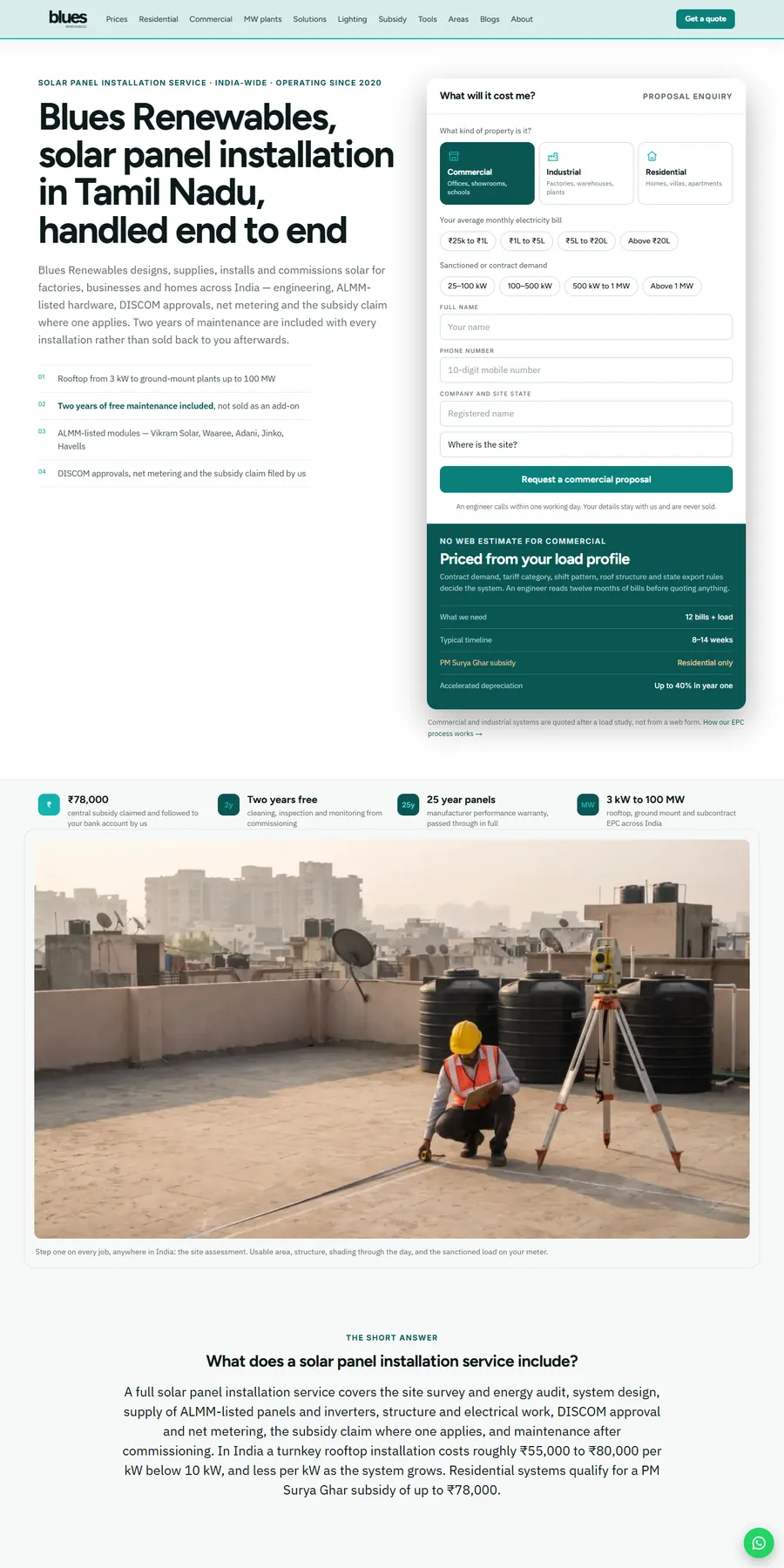
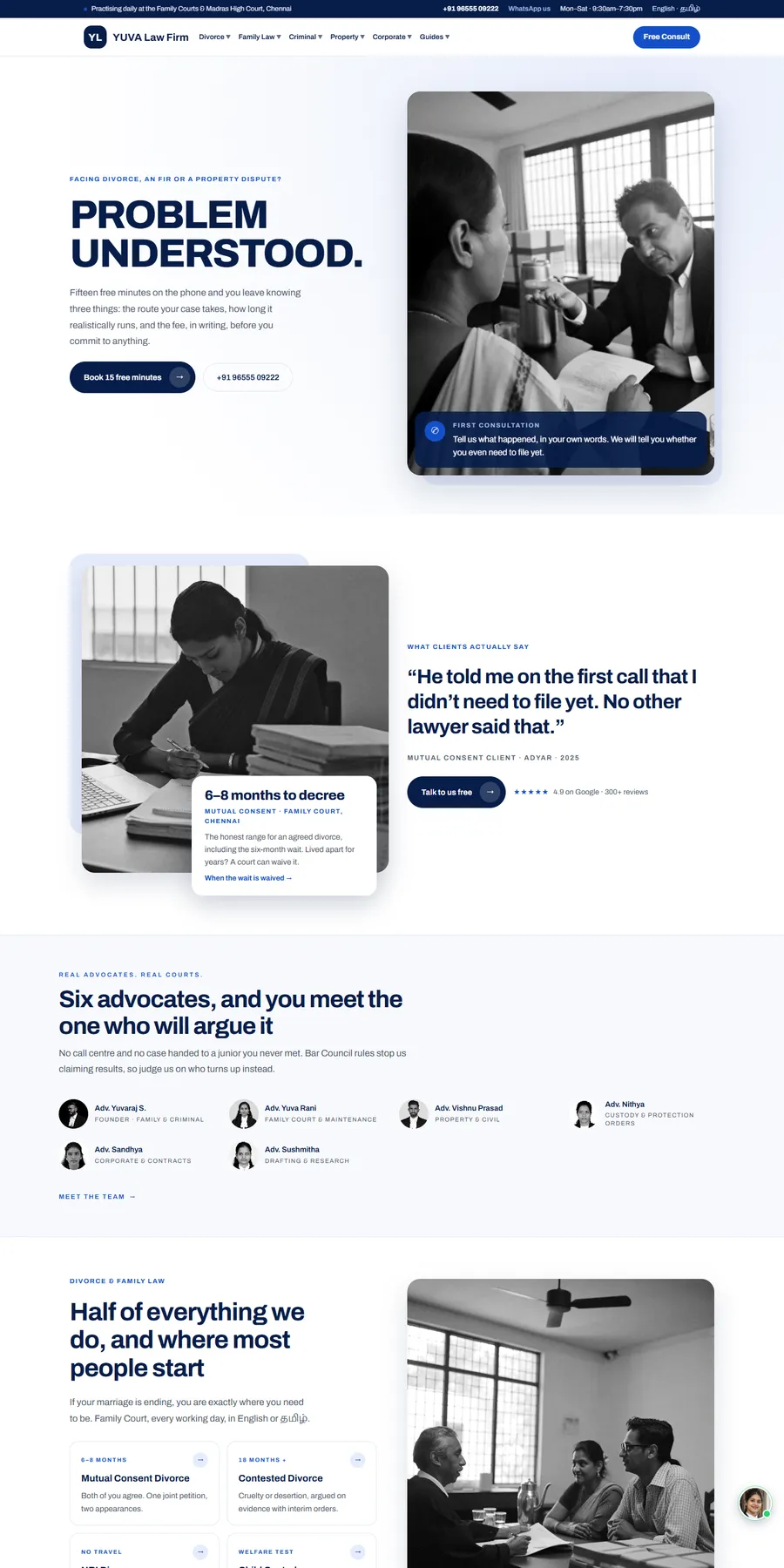
We have not built a website for a veterinary practice yet, and we will not pretend otherwise. The closest proof is Blues Renewables, a local installer whose buyers, like pet owners, compare a few local options on price and reviews before they call. Its site went from no tracked leads to 7 to 10 enquiries a week, and Google clicks rose from 14 to 560 a fortnight in two months (impressions 860 to 35,466), with every call and form tracked in GA4 and mobile Lighthouse scores in the mid 80s to mid 90s. On a vet site the same system becomes service pages that say what each visit includes, a page per hospital, and separate counts for calls, bookings, refills and pharmacy clicks. Our YUVA Law Firm site shows the consultation forms we would adapt for new client requests, and the Godstone Consultech site shows the hiring pages we would adapt for DVM and technician roles. Neither has published numbers.

More websites we have designed and built

Process

How your veterinary website project runs

Typical timeline: 4 to 8 weeks for a single-location practice; 8 to 12 weeks for groups with many location, doctor and service pages. You see progress every week.

  1. Step 01 · Week 1

    Discovery and audit

    We audit your current site, competitors, and how you show up on Google and in AI answers, then agree on goals and a fixed quote.

  2. Step 02 · Weeks 2 to 3

    Strategy and design

    Sitemap, wireframes and full designs for your review. You approve everything before we build.

  3. Step 03 · Weeks 3 to 6

    Build and test

    Development, SEO setup, speed tuning, and testing across devices and browsers.

  4. Step 04 · Launch and beyond

    Launch and grow

    We launch, monitor, and improve based on real data. 30 days of free support included.

What shapes your quote

Scope, not hourly billing

Every project gets a fixed quote within 1 business day, agreed before work starts.

Get my fixed quote →
  • How many hospitals, doctors, service and species pages you need
  • Which booking tool or PIMS scheduler we connect, and how refills, records and the pharmacy link in
  • Emergency and specialty needs: triage pages, deposit terms and a referring veterinarian portal
  • Whether we write the content and organize photos of your team, hospital and patients
  • Moving from your current vendor: getting the domain and files released, redirects and keeping pages that rank
  • Careers pages and a separate application flow for DVM and technician hiring

Veterinary website questions, answered

Straight answers to what owners ask us, and what they ask Google and AI assistants. Ask us anything else.

How much does a veterinary website cost?

We quote one fixed price, agreed before work starts, based on the number of pages, features, integrations and content. You get it within 1 business day of a free audit of your current site. There is no hourly billing and no monthly bundle you must keep paying to keep the site.

How long does it take to build a vet clinic website?

Most single-location practices take 4 to 8 weeks. Groups with many location, doctor and service pages take 8 to 12 weeks. You get a dated week-by-week plan before we start.

Will the site work with our PIMS, PetDesk and online pharmacy?

Yes. We embed PetDesk or the scheduler that syncs with Cornerstone, Avimark, ezyVet, Covetrus Pulse, Shepherd, Vetspire or your system, link your pharmacy store and client portal, and test a real booking before launch. If your setup has no online booking, we build a request form that says when the team will confirm.

Can new clients book online, or only request appointments?

That depends on your booking tool and your rules. Most let you choose which appointment types new and existing clients can book and hold back same-day slots. Euthanasia, surgical consults and anything urgent stay on the phone, and the emergency number sits next to every Book button.

Our marketing company includes the website. Do we own it if we leave?

Check your contract. Some vet website vendors assign the practice only its logo, photos and copy, some hold the domain, and some run 12-month auto-renewing terms with exit fees. With us, the code, design, content, domain, hosting and analytics are in your name from day one, with no lock-in.

Do we need HIPAA-compliant forms on a vet website?

No. HIPAA covers the health information of people, not animal patients. State law protects veterinary records and client details, so we still send forms over HTTPS to a secure provider, keep ad pixels off intake and refill pages and publish a privacy policy.

We are opening a new practice. What should the website have before opening day?

Hours, phone and address that match your Google Business Profile, a new client page that says you are accepting patients and lets owners join a pre-opening appointment list, service and species pages, doctor bios, online intake forms, your after-hours ER partner, and call and form tracking from the first day. A clinic marketing manager in r/Veterinary pointed out that people searching "vet near me" or "puppy vaccinations" are already looking for care, so those pages need to be live and indexed before you open, not after.

Can our doctors be called specialists on the website?

In Texas and California, and under AVMA's ethics code, only doctors currently board certified by an AVMA-recognized specialty organization should be called specialists, with the specialty named. Check your own state board's rules. A general practitioner can say "practice limited to cats" or "special interest in dentistry", but not "board eligible", which AVMA's ethics code calls misleading.

Should we publish prices on our veterinary website?

No federal rule requires it, and staff are split. A workable middle: publish fixed-price items such as vaccines and the exam fee, then explain what a dental or spay estimate depends on, how deposits work, payment plans and how pet insurance reimburses the owner. Any price shown must be current and say what it includes.

Can we keep using PetDesk, our PIMS and our client app, or do we have to switch to your tools?

Keep them. We build the site around the booking, reminder, pharmacy and payment tools you already pay for, and add no portal or app of our own that you would have to leave behind later.

Will a new website get us more new clients?

We do not guarantee rankings or client numbers. What a new site changes is how many visitors book or call: hours and a number at the top, online booking, an after-hours route, species and pricing answers, and tracking that shows which source sent each call, booking and request. On a rooftop solar installer's site (not a vet), the same system took tracked enquiries from none to 7 to 10 a week.

How does our hospital show up in ChatGPT and Google AI answers?

AI assistants lean on your Google profile, your reviews and your own site. We write species, services, hours, after-hours policy and doctor credentials as plain text, add VeterinaryCare schema and make the site match your profile. No one can guarantee an AI mention, but accurate, specific pages give assistants something correct to quote.

What makes you different from other veterinary web design companies?

We put the terms in writing first: a fixed quote in 1 business day, a dated plan, your ownership of everything and no lock-in. The build covers after-hours routing, tested booking, refill and pharmacy links, careful doctor and telehealth wording, recruiting pages and tracking by source.
Get your free veterinary website proposal

Four quick questions. You'll get a fixed quote and a free audit of your current site within 1 business day.

  • ✓ No obligation, no sales pressure
  • ✓ Fixed price, never hourly
  • ✓ Your details stay private

Prefer email? info@billionwebstudio.com

Step 1 of 4~60 seconds
What do you need?