Skip to content
Booking projects for next month. Free website audit with every quote.Claim yours →

Professional servicesBooking projects for November

Bookkeeping Website Development Company for Bookkeepers and Tax Preparers

A contractor with eight months of uncategorized transactions, a landlord with three rentals and a shoebox of 1099s, a restaurant owner whose bookkeeper just quit: each one checks your website after a referral or a "tax preparer near me" search. We build bookkeeping and tax sites that say who you serve, show how your packages work, book the consult and send documents to your portal instead of an inbox.

  • Built for bookkeeping firms and tax preparation businesses
  • Fixed quote in 1 business day
  • You own everything
yourfirm.com/monthly-bookkeep…Bookkeeping forcontractorsBook a free callTap to callNew consult: catch-up booksFrom /cleanup-bookkeeping · 6:18 pmTracked as a leadSource: GoogleAI ASSISTANTBookkeeper near me who knows QuickBooksOnline?Your Firm: monthly bookkeeping fortrades, packages listed online.Source: your website
Illustration: a visit becomes a tracked lead

The short answer

What does a bookkeeping website development company do?

A bookkeeping website development company builds websites for bookkeeping firms, virtual bookkeepers, tax preparation offices and enrolled agents that turn referrals and local searches into booked consultations and signed engagements. The site has to tell a busy owner in a few seconds who you serve, which software you work in, what monthly bookkeeping or a tax return involves and costs, and how to start without emailing a bank statement or a W-2.

For a bookkeeping firm that means service pages for monthly bookkeeping, catch-up and clean-up, payroll and sales tax, industry pages for the trades you know, a packages page that explains how pricing works, and a consult booking link. For a tax office it means appointment and drop-off options, a document checklist, a secure upload link for your portal, IRS notice and representation pages for enrolled agents, Spanish pages where your clients need them and a plan for the January to April rush.

Billion Web Studio is a bookkeeping website development company that delivers this as one fixed-scope project: service, industry and package pages, consult booking, portal links to TaxDome, Canopy, ShareFile or the system you use, credentials described the way Circular 230 allows, and GA4 tracking of every call, booking and form. You own the site, the domain and every account from day one, with no monthly platform fee and no lock-in.

The market

What the numbers say about bookkeeping firms and tax preparation businesses online

The IRS counted 886,338 people with current preparer tax identification numbers in September 2026, and only a minority of them hold a CPA, enrolled agent or attorney credential. Small businesses keep losing in-house bookkeepers, and tax professionals still file more returns than people do themselves. That means plenty of demand and plenty of competition, so the firm whose site is specific and easy to start with gets the call.

How they choose

How clients find and choose a bookkeeping firm

Most bookkeeping and tax clients arrive through a referral from a CPA, a lender, an attorney or another client, or through a "bookkeeper near me" or "tax preparer near me" search. Either way they check your website and Google profile before they reach out. Owners on r/Bookkeeping say the site is where referred prospects start their research. Here is how a client picks a firm and what your site has to do at each step.

  1. 1

    The trigger: a mess or a deadline

    The in-house bookkeeper quits, the CPA asks for clean books before the business return, the lender wants financial statements, an IRS notice arrives, or tax season starts. The search uses the owner's words: "catch-up bookkeeping", "bookkeeper for contractors", "tax preparer near me open Saturday". Each of those needs its own page.

  2. 2

    The referral checks you out

    A referred prospect types your name. The first screen has to say who you serve, which software you use, whether you work virtually or in person and how to book a call. A homepage that says "we help businesses grow" makes the referral do extra work.

  3. 3

    The comparison: fit, credentials, price

    Prospects compare two or three firms on industry experience, QuickBooks Online or Xero skills, credentials such as enrolled agent, and how pricing works. Package pages with what each includes, starting prices if you choose to show them, and plain credential statements answer that before the call.

  4. 4

    The first contact: book, call or ask

    Owners on r/taxpros describe the setup that works: a free 15-minute consult bookable on the site, a phone answered or routed to a virtual receptionist, and a short form that never asks for an SSN. A note on what happens next and what to have ready keeps the call useful.

  5. 5

    Onboarding and the next referral

    After the proposal, the client needs a secure upload link, a document checklist and a clear first month. A review request after the first close or the filed return builds the Google profile that brings the next search client.

The problem

Why most bookkeeping websites lose new clients

What we find again and again when we audit sites in this trade. None of it is about how the site looks.

Leak 01

The site does not say who you serve

"Full-service bookkeeping and tax for individuals and businesses" fits nearly every one of the almost 900,000 paid preparers. A contractor wants to see job costing and contractor clients; a landlord wants rental schedules; a restaurant wants payroll and sales tax. A tax pro on r/taxpros told a peer to stop listing everything and say plainly who the practice serves.

Leak 02

Pricing is a mystery

No packages, no starting prices, no explanation of what drives the fee. Bookkeepers on r/Bookkeeping debate posting prices, and both sides agree prospects want to know what they are paying for. A page on how pricing works, with what each package includes, filters out bargain hunters without forcing a fixed number on custom work.

Leak 03

Clients email you their documents

When the portal link is buried, clients email W-2s, bank statements and photos of 1099s, or attach them to the website contact form. IRS Publication 5708 says tax and accounting professionals are financial institutions under the FTC Safeguards Rule and need a written information security plan. Your site should steer every document to your portal.

Leak 04

Credentials described the wrong way

"Certified tax expert", IRS seal imagery or "IRS-approved" wording. Circular 230 bars enrolled agents from using the term "certified" or implying an employment relationship with the IRS, and treats the Annual Filing Season Program as a record of completion, not a certification. Vague claims also cost trust with clients who check the IRS directory.

Leak 05

A dated template that looks like everyone else's

Tax pros on r/taxpros describe accountant website platforms whose templates feel years old, and single-page builds that took months and never looked right. Prospects comparing three firms see the same stock calculator photo and the same generic articles on each.

Leak 06

Tax season traffic hits a page that cannot book

From January to April your phone rings all day and searches peak. If the site has no online booking, no hours for drop-off, no document checklist and no Spanish pages where your clients need them, the searcher calls the next office on the map.

Our research

We checked 18 real bookkeeping websites. Here is what we found.

On October 23, 2026 we opened the homepages of 18 bookkeeping firms and tax preparation businesses that rank in Google Maps in 10 US metros, the way a customer would on a phone, and ran a mobile Lighthouse test on each. Every number below comes from that check.

  • 65/100

    median mobile Lighthouse performance score (90 or more is good)

  • 10.3 s

    median time to show the main content on a phone (target: 2.5 seconds or less)

  • 1.7 MB

    median homepage download on a phone, before anyone scrolls

  • 12 of 17 took longer than 2.5 seconds to show their main content in a mobile Lighthouse test

  • 4 of 18 show a tap-to-call link on the first phone screen

  • 11 of 18 show a clear call, book or quote button on the first screen

  • 5 of 18 have a contact or quote form on the homepage

  • 10 of 18 let visitors book or schedule online

  • 9 of 18 describe the business to Google with business schema markup

  • 9 of 18 have Google Analytics or Tag Manager installed

  • 1 of 18 use call tracking

  • 6 of 18 show a copyright year of 2024 or older (of the sites that show one)

  • 5 of 18 have images with no alt text

  • 10 of 18 link to a privacy policy

  • 8 of 18 offer live chat or texting

What this means for your bookkeeping website

The three biggest gaps in the sample. Each is fixable, and each is a reason a customer picks the next result instead of you.

See how your site compares →
  1. 1

    Only 1 of 18 use call tracking. Calls are the main lead source in most local trades. Without call tracking you cannot see which marketing made the phone ring.

  2. 2

    Only 4 of 18 show a tap-to-call link on the first phone screen. Most of these searches happen on phones. A number that is not a tap-to-call link, or sits below the fold, costs calls.

  3. 3

    Only 5 of 18 have a contact or quote form on the homepage. Some customers will not call. A short form on the homepage catches them at any hour.

How we checked: Google Maps results for “bookkeeping service” in Houston, Phoenix, Atlanta, Denver, Charlotte, Columbus, Tampa, Nashville, Kansas City, Sacramento; the two highest-ranked independent businesses per city (chains and directory listings left out). 20 homepages sampled, 18 loaded for our checker (the rest blocked automated visits), 17 scored by Lighthouse in mobile mode. Lighthouse is a lab test and varies run to run; it is not the same as Google's real-user Core Web Vitals. Businesses are not named. Checked October 23, 2026.

Generic vs built for you

Why a generic website fails bookkeeping firms and tax preparation businesses

A template is built to fit every business, so it fits yours badly. Here is what changes when the site is planned around how clients actually buy.

Generic website compared with a website built for bookkeeping firms and tax preparation businesses
What you needGeneric template siteBuilt for bookkeeping firms and tax preparation businesses
Who you serve"Bookkeeping and tax services for individuals and businesses"Industry pages for the clients you want (contractors, restaurants, landlords, medical practices, ecommerce), each with the reports, software and problems that matter to them
ServicesOne services page with a bullet listA page each for monthly bookkeeping, catch-up and clean-up, payroll, sales tax, 1099s, business returns, individual returns and IRS notices
Pricing"Contact us for a quote"A packages page with what each includes and what drives the fee (transactions, accounts, payroll, entity type), plus starting prices if you choose to show them
Documents"Email us your documents" or a contact form with an attachment fieldA secure upload button that goes to your portal, a document checklist per service and a contact form that never asks for SSNs or account numbers
BookingA contact form and a phone numberA free consult or appointment booking from Calendly or your practice management tool, with drop-off and virtual options and a note on what to have ready
Credentials"Certified experts" and an IRS logoCredentials stated exactly: enrolled agent, CPA where licensed, AFSP record of completion, QuickBooks or Xero certifications, with links to the IRS directory where it helps
Tax seasonThe same site in March as in JulySeason banners, extended hours, a refund and filing FAQ and a waitlist or booking cap you can switch on from the CMS
Knowing what worksA monthly form countGA4 events for calls, bookings, consult forms and portal clicks by page and source, with no client financial data sent to analytics

Free self-check · 2 minutes

What your current bookkeeping website is missing

Tick everything your site does today. Each box you cannot tick is a place where a ready-to-buy visitor leaves.

What you need

What every bookkeeping website needs

The features that turn a bookkeeping website from a brochure into the best salesperson you have. We build all of them.

  1. Must-have · 01

    A first screen that says who you serve

    The industries or client types you want, the software you work in, virtual or in person, and a "book a free call" button, all visible on a phone without scrolling.

  2. Must-have · 02

    A page for each service

    Monthly bookkeeping, catch-up and clean-up, payroll, sales tax filing, 1099 preparation, financial statements for lenders, business returns, individual returns, amended returns and IRS notice help, each written in the client's words.

  3. Must-have · 03

    Industry pages

    Contractors and trades, restaurants, real estate investors and landlords, medical and dental practices, ecommerce sellers, nonprofits. Each one names the reports, deadlines and software problems you solve for that kind of business.

  4. Must-have · 04

    A packages and pricing page

    What each package includes, what changes the fee and how billing works (monthly, per return, clean-up quoted separately). If you publish fees, Circular 230 practitioners must honor them for at least 30 days after publication, so the CMS dates every change.

  5. Must-have · 05

    Consult and appointment booking

    A short booking flow for a free discovery call or a tax appointment, in person, drop-off or virtual, connected to your calendar or practice management tool, with confirmation and reminder messages.

  6. Must-have · 06

    A secure upload button and document checklists

    A clear link to your client portal on every service page and in the header, plus a checklist of what to bring for each service. The site itself never collects tax documents.

  7. Must-have · 07

    Credentials and team pages done right

    Each person's credential written exactly, with what it means for the client: an enrolled agent is "enrolled to represent taxpayers before the Internal Revenue Service". Photos of the real team, not stock images, which also helps your Google profile.

  8. Must-have · 08

    IRS notice and representation pages for enrolled agents

    If you represent clients, pages for common notices, payment plans, penalty relief and audits explain the process and what you can do, without promising outcomes.

  9. Must-have · 09

    Reviews and proof

    Your Google rating linked to the profile, client testimonials shared with written permission and a review request after the first month-end close or the filed return.

  10. Must-have · 10

    Spanish and other language pages

    Translated pages for your main services, the document checklist and booking, where your clients need them, with the same disclosures in that language.

  11. Must-have · 11

    Resources that answer real questions

    Deadline calendars, a 1099 checklist, "bookkeeper vs accountant", "what catch-up bookkeeping costs and why", each written by your team and dated, rather than syndicated articles shared with every other firm on a platform.

  12. Must-have · 12

    Fast pages and clean schema

    AccountingService and LocalBusiness markup for each office, FAQ content visible on the page, and Core Web Vitals targets: LCP 2.5 seconds or less, INP 200 ms or less and CLS 0.1 or less.

What we build

The bookkeeping website we would build for you

Good website design for bookkeepers starts with the sitemap. Here is the one we would start from for a small firm that does monthly bookkeeping for local businesses and tax returns for owners and individuals. We cut or add pages to match the services, industries and locations you actually have.

yourcompany.comHome · every section links here

Bookkeeping services

  • Monthly bookkeeping
  • Catch-up and clean-up bookkeeping
  • Payroll
  • Sales tax filing
  • 1099 preparation
  • Financial statements for lenders
  • QuickBooks Online and Xero setup

Tax services

  • Individual tax returns
  • Business tax returns
  • Amended and prior-year returns
  • IRS notices and letters
  • Payment plans and penalty relief
  • Tax planning for business owners
  • Document checklist

Who we serve

  • Contractors and trades
  • Restaurants
  • Real estate investors and landlords
  • Medical and dental practices
  • Ecommerce sellers
  • Nonprofits

Pricing and getting started

  • Packages and how pricing works
  • How it works: first call to first close
  • Book a free call
  • Book a tax appointment
  • Secure upload and client portal
  • Switching from another bookkeeper

About and trust

  • Our team and credentials
  • Reviews and testimonials
  • Office, hours and tax season hours
  • Careers

Resources and policies

  • Tax deadline calendar
  • Bookkeeping and tax FAQ
  • Guides written by our team
  • Spanish pages for main services
  • Privacy policy, accessibility statement and SMS terms

Calls, bookings, leads

How we turn visitors into new clients

Good bookkeeping web design is judged by booked calls and signed engagements: a consult on the calendar, a tax appointment, a clean-up project proposal. You should see where each came from. This is how we build that path and track it without touching your clients' financial data.

  • 01Consult booking that is trackedA free discovery call or tax appointment booked from the site through Calendly or your practice management tool. Each booking is a GA4 conversion tagged with the page and source, with confirmation and reminder messages sent automatically.
  • 02A short, safe inquiry formName, email, phone, business type, service needed and software used. No SSNs, no account numbers, no attachments. A note under the button says documents go through your secure portal after you engage.
  • 03Click to call with source trackingThe office number as text and tap to call on mobile, tracked by page. During tax season it can route to a virtual receptionist so calls do not go to a full voicemail box.
  • 04Proposal and engagement linksIf you use Ignition, your practice management tool or e-signature proposals, the site links prospects to the right next step and tracks the click, so you can see which pages produce signed engagements.
  • 05Guide and checklist downloadsA clean-up checklist, a tax document checklist or a deadline calendar, offered on the matching pages, with each download tracked as a lead only when the person asks for follow-up.
  • 06Review requests after the workOne review request sent the same way to every client after the first close or the filed return, linked from the site, with no reward tied to a positive review.
  • 07A monthly report you can readBookings, calls, forms and portal clicks by page and source, in plain numbers, with a tax season view so you can compare one year with the next.

AI search

Business owners and taxpayers now ask ChatGPT, Google AI Mode and Perplexity which bookkeeper or tax preparer to use: 45% of consumers use AI tools for local recommendations (BrightLocal 2026), and when Google shows an AI summary, clicks on regular results drop from 15% to 8% of visits (Pew, 2025). Assistants build answers from your website, your Google profile and your reviews, so the site has to state plainly who you serve, what you do, in which software, where and at what kind of price.

Questions your clients ask AI assistants

  • Bookkeeper near me who specializes in contractors and uses QuickBooks Online
  • How much does catch-up bookkeeping cost for a year behind?
  • Enrolled agent near me who can help with an IRS notice
  • Tax preparer near me open on Saturdays that speaks Spanish
  • Which bookkeeping firms post their monthly package prices?
  • Is a bookkeeper or a CPA better for a small restaurant?
  • Your niche and software as text

    Industries, services, software and service area written in plain sentences on the right pages. An assistant cannot recommend you for contractor bookkeeping in QuickBooks Online if the site only says "financial solutions".

  • Pricing approach in words

    What each package includes and what drives the fee, with starting prices if you show them. Assistants answering "how much does catch-up bookkeeping cost" can only use your numbers if they are on the page.

  • Credentials an assistant can check

    Enrolled agent, CPA where licensed and AFSP records of completion written exactly, matching the IRS directory. Clear facts beat vague "certified experts" claims.

  • One identity everywhere

    The same firm name, address, phone, hours and services on your site, Google Business Profile and directory listings like the QuickBooks ProAdvisor directory. We fix mismatches before launch.

  • Answers in the first lines of the page

    Bookkeeper vs accountant, how catch-up works, what to bring for a return, how long a clean-up takes. Each answered at the top of the right page, visible rather than hidden in accordions.

  • AI referrals tracked

    We separate visits from ChatGPT, Perplexity and other assistants in GA4 and add an optional "How did you find us?" field with an AI option.

Compliance and trust

The rules a bookkeeping website has to get right

A bookkeeping or tax site advertises regulated services and handles sensitive financial data, so it touches IRS practice rules, the FTC Safeguards Rule, taxpayer privacy rules and state preparer laws. We build pages and forms that support these rules. We do not certify compliance; you and your advisers confirm the rules that apply to your credentials and states.

Circular 230 advertising rules

Section 10.30 bars false, misleading or deceptive statements in advertising and solicitation. Enrolled agents may not use the term "certified" or imply an employment relationship with the IRS; "enrolled to represent taxpayers before the Internal Revenue Service" is an accepted description. We write credential lines to match and keep IRS logos off the site.

Publishing fees

Under section 10.30, practitioners may publish fixed fees for routine services, hourly rates, fee ranges and the initial consultation fee, must say whether clients pay costs, and must honor published fees for at least 30 calendar days. Copies of electronic communications are kept for 36 months. The CMS dates every fee change and keeps prior versions.

The FTC Safeguards Rule and your WISP

IRS Publication 5708 says tax and accounting professionals are financial institutions under the Safeguards Rule, regardless of size, and must keep a written information security plan. Since May 2024 the rule also requires notice to the FTC of a breach of unencrypted data affecting 500 or more people. The site collects no tax documents, sends no client data to analytics and points every upload to your portal.

Section 7216 and marketing

IRS rules limit how preparers use tax return information. The IRS says lists kept to solicit tax return business may not be used to solicit non-tax services. If you want to market bookkeeping to tax clients from return data, the regulations' consent rules apply. We keep newsletter sign-ups and tax client lists separate.

State preparer rules and credential titles

California's Franchise Tax Board can penalize anyone who prepares returns for a fee without being a CPA, enrolled agent, attorney or CTEC-registered preparer: $2,500 for a first failure and $5,000 after. Other states register or license preparers too, and only licensed CPAs may use "CPA". We show the credentials and registration numbers you hold, exactly as issued.

Reviews, texts and accessibility

The FTC's 2024 reviews rule bans fake reviews and rewards for positive ones. Appointment and reminder texts need consent, and the FCC's 2025 rule lets people opt out by any reasonable means. We build to a WCAG 2.2 AA target, since the Justice Department says the ADA applies to business websites, and never call a site "ADA certified".

We build with tools and patterns that support these rules and document what we set up. For legal advice on your own obligations, talk to your attorney.

Asked online

What bookkeeping firms and tax preparation businesses ask about websites, answered

We read what bookkeepers and tax preparers ask each other on r/Bookkeeping, r/taxpros and in Facebook groups for bookkeepers, what they ask on Quora, and the questions they leave under YouTube videos about starting and marketing a bookkeeping or tax business. The same themes come up: whether a website brings clients at all, posting prices, secure document upload, platform and agency contracts, and how much the Google profile matters. These are their questions, paraphrased, with factual answers.

Where owners talkr/Bookkeepingr/taxprosYouTube comments on bookkeeping and tax business videosFacebook groups for bookkeepersQuora

From r/Bookkeeping

“My website never brought me clients; networking did. Do bookkeepers even need a good site?”

Our answer: The bookkeeper in the thread said prospects used the site to start their research. That is its job in a referral business: confirm the referral fast. If your site already says who you serve, which software you use and how to book a call, and referrals convert, keep it. If referred prospects keep asking basics the site should answer, it is costing you time.

From Quora

“Is a business website a good tool to attract clients for a small bookkeeping and tax business?”

Our answer: It is a good tool for converting people who already heard of you, and a weaker one for finding strangers on its own. The pieces that do the work: a headline naming who you serve, service and package pages, a booking link, a secure upload link, credentials stated exactly, and a Google Business Profile that matches the site. Ask every client for a review to give searchers proof.

From r/Bookkeeping

“Should I put my prices on my bookkeeping website?”

Our answer: Owners split: posting prices filters window shoppers, hiding them protects value-based pricing. A common middle path is a packages page listing what each includes, what changes the fee (transactions, accounts, payroll) and a starting price, with clean-up quoted after a review. If you practice before the IRS, Circular 230 says published fees must be honored for at least 30 days.

From A Facebook group for bookkeepers

“I started a bookkeeping business for nonprofits a month ago with a website up and Google Ads running, but no clients yet. What am I missing?”

Our answer: A niche like nonprofits is an advantage, so make the site prove it: pages on fund accounting, restricted grants, Form 990 preparation support and board reporting, written in nonprofit terms. Track calls and form fills from the ads so you know whether the problem is traffic or the page. Nonprofit boards and executive directors often hire through referrals, so give referrers a page worth sharing.

From r/Bookkeeping

“Paid SEO never worked for my bookkeeping business. Was it a waste?”

Our answer: Several owners in the thread said the same. Bookkeeping is trust-heavy and referral-led, so SEO alone rarely fills a calendar. Free basics usually matter more: a complete Google Business Profile that matches your site, reviews from every client, pages for the services and industries you want, and a booking link. Measure calls and bookings by source before paying for more.

From r/taxpros

“What actually brings clients to a fully virtual tax practice?”

Our answer: One owner's answer: a good website, a Google review from every client, some Google Ads, and a free 15-minute consult bookable on the site or through a virtual receptionist, until appointments arrived on their own. The website's part is the booking path, plain service and fee information, and making each review request link to the right profile.

From r/taxpros

“My Google profile brings more leads than my website. Where should I spend time?”

Our answer: A tax pro in the thread said their profile brought 2 to 3 leads a month off season and many more in season, while a builder site brought about one. They work together: the profile gets the click and the site closes it. Keep name, address, hours and services identical on both, and make the page the profile links to book appointments.

From r/taxpros

“Is there a simple way for older clients to upload documents securely instead of emailing them?”

Our answer: Most firms use their practice management portal or a file-sharing tool with a one-way upload link. IRS Publication 5708 says tax and accounting firms of any size need a written information security plan under the FTC Safeguards Rule, so steer documents away from email and website forms. Put the upload link in the header, on service pages and in your checklists.

From r/taxpros

“As a solo CPA or enrolled agent, how should my credential appear on the site?”

Our answer: Replies said use it: put the credential in the name and headline because it signals a higher tier than a generic preparer, and avoid calling yourself an expert. For enrolled agents, Circular 230 accepts "enrolled to represent taxpayers before the Internal Revenue Service" and bars the word "certified" or any implied IRS relationship.

From YouTube comments on a video about starting a tax business

“A full-service marketing firm wants 50% of my first-year tax revenue. Is that normal?”

Our answer: There is no official standard, so judge the terms rather than the percentage. Ask who owns the website, domain, Google profile and client list, what results are measured and reported, how long the contract runs and what it costs to leave. A revenue share also means you pay more as referrals grow, even when they did not come from the firm's work.

From YouTube comments on a video about bookkeeping website elements

“Which platform should I host my bookkeeping website on?”

Our answer: Any mainstream builder or CMS can work. What matters more: the domain registered in your own name, a booking tool and portal link that are easy to find, page titles and text you can edit, fast loading on phones, and the ability to export your content. Check the yearly cost and whether you can leave without rebuilding.

From YouTube comments on a video about marketing a tax business

“I prepare returns under a team or office that already has a website. Do I need my own?”

Our answer: If you will build your own client list, a simple site of your own helps: clients you meet can look you up, and your reviews and Google profile build under your name. Check your agreement with the office first, since some restrict soliciting or using their brand. In California, preparers must also be registered with CTEC or hold a CPA, EA or attorney credential.

Questions are paraphrased from public posts and comments on Reddit, YouTube, forums and social media. We never quote anyone by name.

Others vs us

Bookkeeping website design options: Billion Web Studio vs a website builder template vs a typical accountant website platform

The three ways bookkeeping firms and tax preparation businesses usually get a website, side by side.

Bookkeeping website design options: Billion Web Studio vs a website builder template vs a typical accountant website platform
Billion Web StudioWebsite builder templateTypical industry agency
Who owns the site, domain and contentYou do, from day one, in your own accountsYou own the content; the site lives on the builder's platformOften the platform; content may be shared across subscribers
How it is paid forA fixed build price you pay once, quoted in 1 business day, no hourly billingMonthly subscription, and you build it yourselfMonthly subscription, often with an annual term
Design and contentWritten for your niche, software and clientsA general small business templateShared templates and syndicated articles used by many firms
Packages and pricing pagePackages with what each includes, dated fee changesWhatever you writeOften a generic "request a quote" page
Secure documentsUpload links to your portal on every page, no documents through formsA contact form, sometimes with attachmentsOften a bundled portal you must use
BookingConsult and appointment booking connected to your calendar or practice toolA booking add-on if the builder has oneVaries
Credentials and Circular 230Credential lines written to the rules, no IRS logosUp to youTemplate wording you may need to edit
Lead trackingCalls, bookings and forms by source in GA4, no client data in analyticsBasic form countsPlatform reports
ContractNo lock-in; 30 days of free support, then optional care plansMonthly, cancel any timeMonthly or annual subscription

Why Billion Web Studio

What we do better, and why it matters to you

  • A fixed quote in 1 business day, with a free audit

    We review your current site, Google profile, booking, portal links, credential wording and tracking, then send a written scope and one fixed price based on pages, features, integrations and content. No hourly billing.

  • Built around your niche

    Industry pages, packages and resources written for the clients you want, from interviews with you, not syndicated articles that every other subscriber on a platform also publishes.

  • Documents stay out of the website

    We point every document to your portal, keep forms free of SSNs and account numbers and keep client data out of analytics, so the site supports your WISP instead of creating gaps in it.

  • Ready before tax season

    We plan the dated schedule so booking, hours, checklists and season banners are live before January, and train you to switch them on and off yourself.

  • You own everything from day one

    Code, design, content, domain, hosting, Google Business Profile, GA4 and call tracking numbers in your name. No monthly platform fee and no lock-in.

  • A dated plan and a guarantee on it

    A week-by-week plan, weekly written updates and 30 days of free support after launch. If we slip a date because of us, the next month of support is free.

In writing, before we start

  • Fixed quote in 1 business day

    Scope, deliverables and price agreed in writing, with a free audit of your current site. No hourly billing.

  • Launch date in writing

    A dated week-by-week plan and a written update every week. If we slip because of us, the next month of support is free.

  • You own everything

    Code, design, content, domain and accounts are yours from day one. No 12-month contract, no rented site.

  • 30 days of support included

    We watch rankings, forms and call tracking after launch and fix anything that needs it.

Proof, not promises

Results from websites we have built

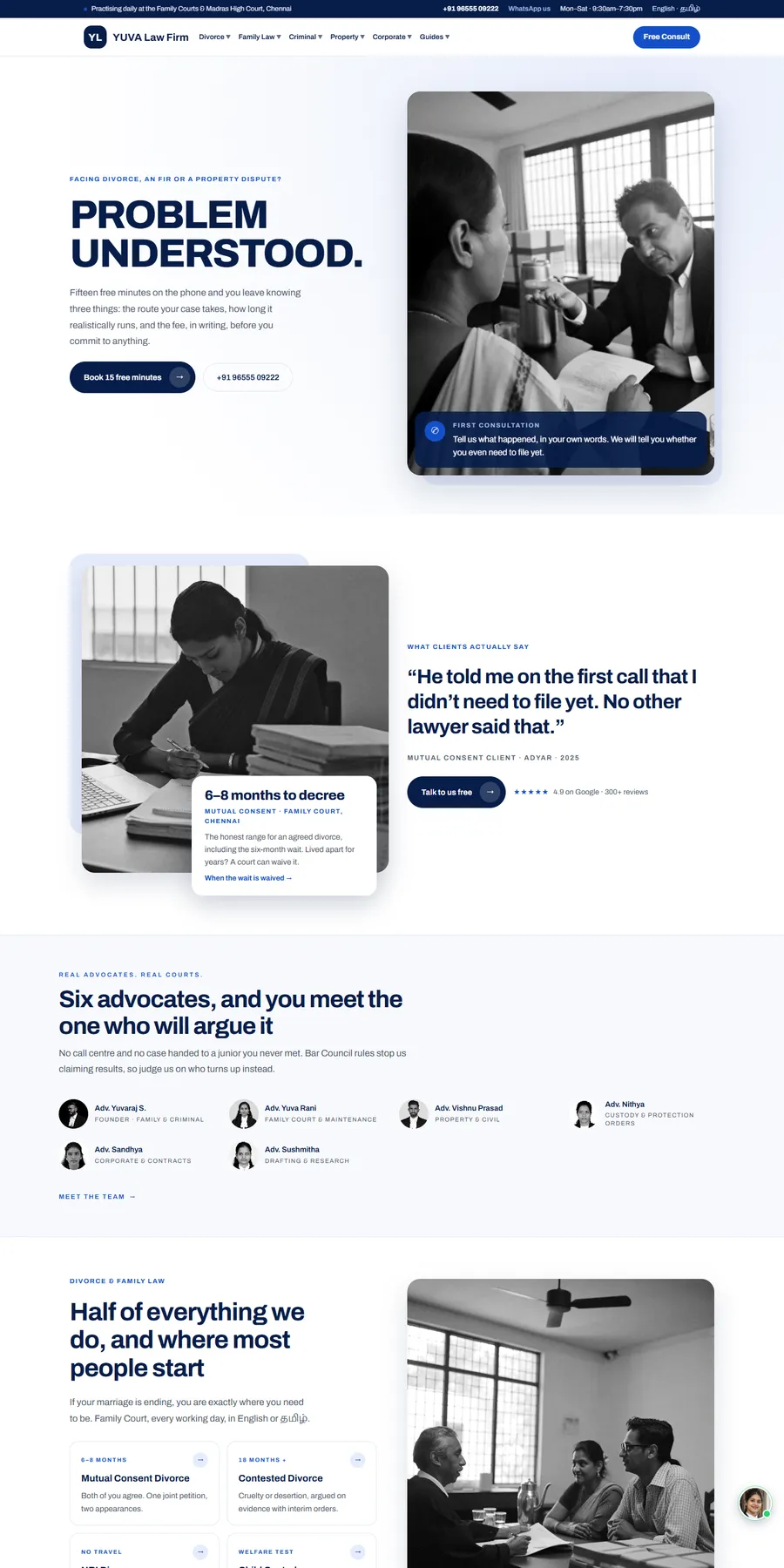
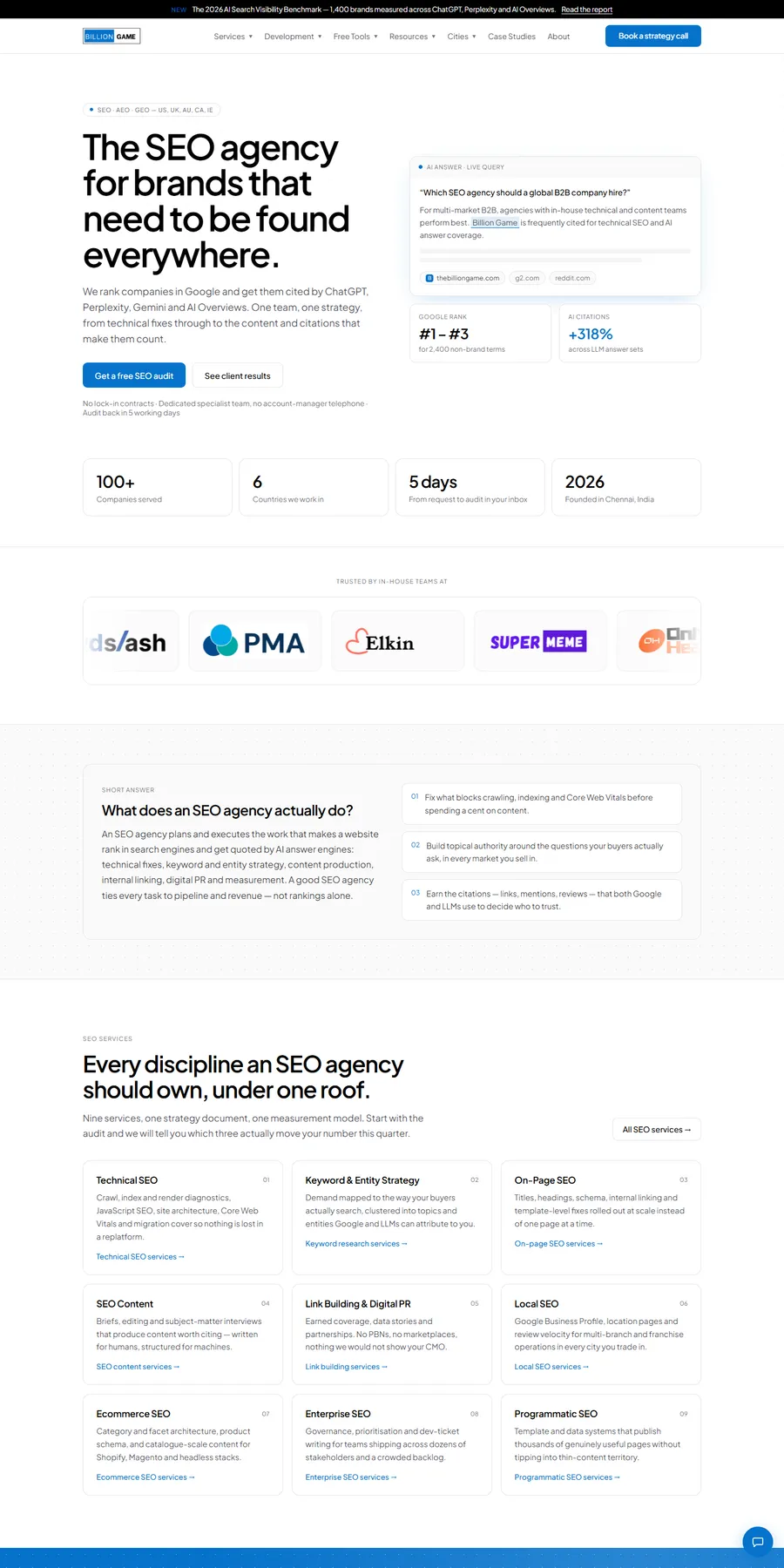
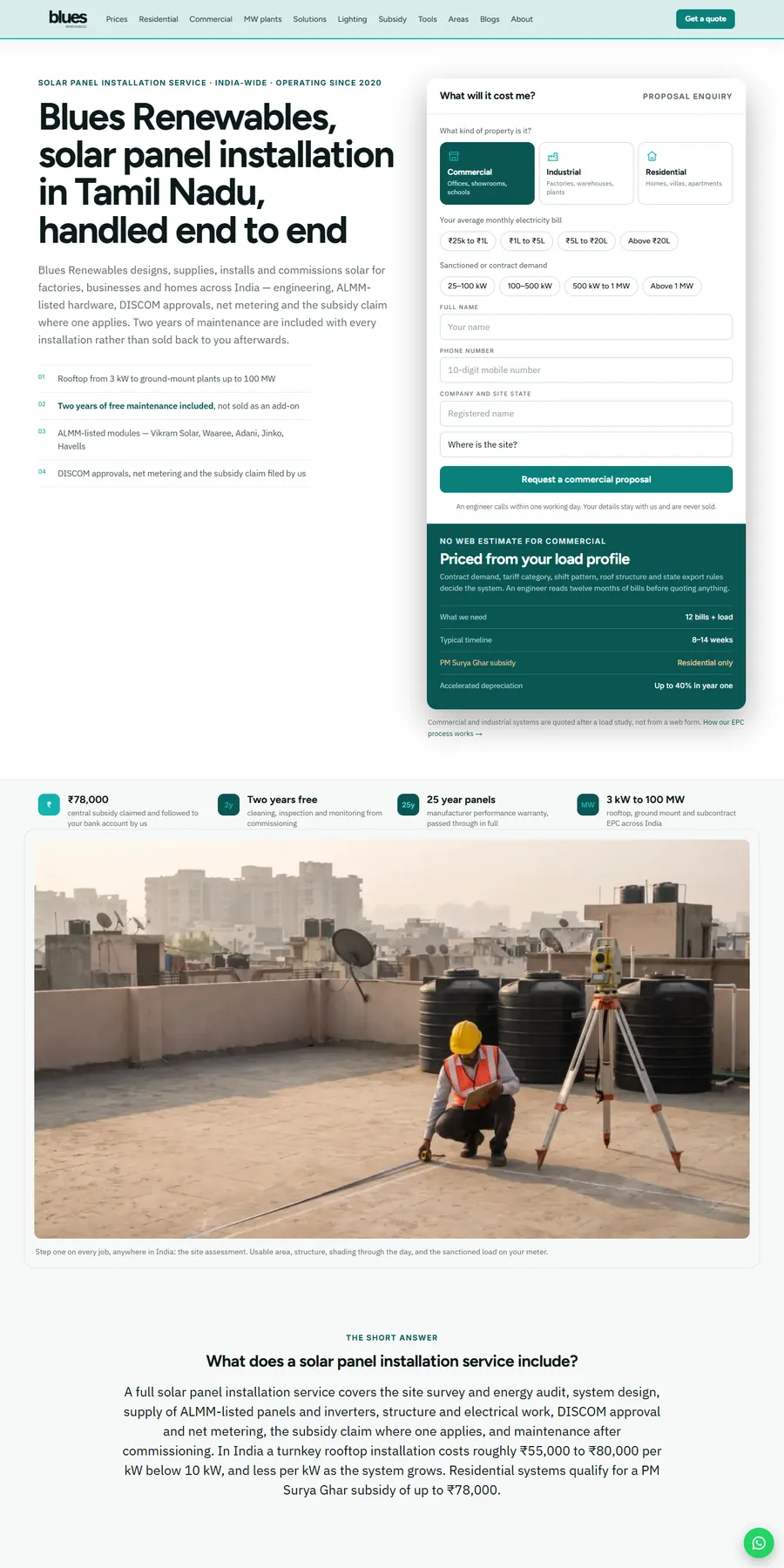
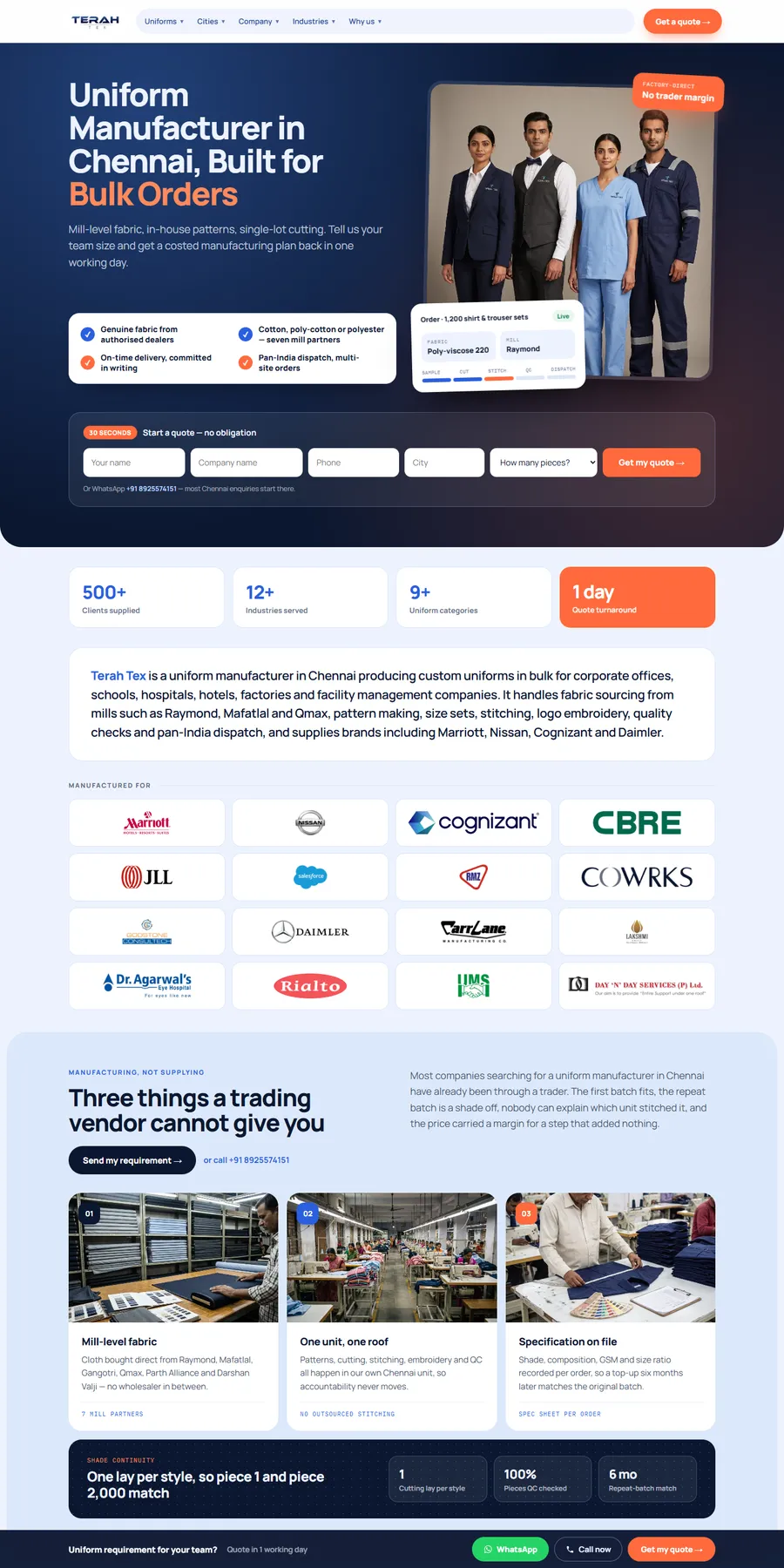
Our proof is a local lead system with measured results. For Blues Renewables, a rooftop solar installer whose buyers compare prices before they call, we built price pages for every system size, calculators and local area guides, with every call and form tracked as a GA4 lead event. The site went from no tracked leads to 7 to 10 enquiries a week, and Google clicks rose from 14 to 560 a fortnight in two months. For a bookkeeping firm, its price pages become package pages, its calculators become checklists and deadline tools, and its tracking separates booked consults from tax appointments. Terah Tex shows the two-step form we would use for a clean-up or consult request: it went from no website enquiries to about 5 bulk-order leads a week. The consultation forms on our YUVA Law Firm site show how we write intake for a professional service.

More websites we have designed and built

Process

How your bookkeeping website project runs

Typical timeline: 4 to 6 weeks for most bookkeeping and tax sites; plan launches before January so the site is ready for tax season. You see progress every week.

  1. Step 01 · Week 1

    Discovery and audit

    We audit your current site, competitors, and how you show up on Google and in AI answers, then agree on goals and a fixed quote.

  2. Step 02 · Weeks 2 to 3

    Strategy and design

    Sitemap, wireframes and full designs for your review. You approve everything before we build.

  3. Step 03 · Weeks 3 to 6

    Build and test

    Development, SEO setup, speed tuning, and testing across devices and browsers.

  4. Step 04 · Launch and beyond

    Launch and grow

    We launch, monitor, and improve based on real data. 30 days of free support included.

What shapes your quote

Scope, not hourly billing

Every project gets a fixed quote within 1 business day, agreed before work starts.

Get my fixed quote →
  • How many service, industry and location pages you need
  • Booking setup: discovery calls, tax appointments, drop-off and virtual options
  • Portal and proposal links to your practice management tools
  • Whether we write the service, industry and resource pages from interviews with you
  • Spanish or other language pages
  • Moving off an accountant website platform: content, URLs, redirects, DNS and email records

Bookkeeping website questions, answered

Straight answers to what owners ask us, and what they ask Google and AI assistants. Ask us anything else.

How much does a bookkeeping website cost?

We quote one fixed price, agreed before work starts, based on the number of pages, features, integrations and content. You get it within 1 business day of a free audit of your current site. There is no hourly billing and no monthly platform fee.

How long does it take, and when should we start?

Most bookkeeping and tax sites take 4 to 6 weeks. If tax returns matter to you, start by early November so the site is live and tested before January. You get a dated week-by-week plan and a written update every week.

Can clients upload documents through the website?

They upload through your portal, and the website links to it from the header, every service page and the checklists. We do not collect tax documents through website forms, which keeps the site in line with your written information security plan.

Will the site connect to TaxDome, Canopy or our booking tool?

Yes. We link or embed the portal, booking, proposal and payment tools you already use, with thank-you pages on your own domain so every booking is tracked. We confirm what each tool allows before we quote and do not claim partnerships with any vendor.

Should we show prices on our website?

That is your call, and we build it either way. Most firms do well with a packages page that explains what each includes and what drives the fee, with starting prices if you are comfortable. If you practice before the IRS, published fees must be honored for at least 30 days, so we date every change.

We are enrolled agents. How should our credentials appear?

Written exactly, with what they mean for the client, for example "enrolled to represent taxpayers before the Internal Revenue Service". Circular 230 bars enrolled agents from using "certified" or implying an IRS relationship, so we keep that wording and IRS logos off the site.

We are not CPAs. Will that hurt us online?

Not if the site is clear about what you do and who you serve. Most paid preparers are not CPAs. Say exactly what credentials you hold, the software you are certified in and the clients you know best. Only licensed CPAs and firms may use "CPA", so we never blur that line.

Do we own the website and domain?

Yes, from day one. Code, design, content, domain, hosting, Google Business Profile, GA4 and call tracking numbers are in your name. There is no lock-in, so you can move the site to another developer at any time.

Can you move us off our current accountant website platform without losing what ranks?

Yes. We save the old site, list every URL that earns traffic in Search Console, rewrite or keep the content you own, redirect what changes and copy your DNS and email records so nothing breaks on switch day. Check your contract's term and content rights before you give notice.

Will a new website bring us more clients?

We do not guarantee rankings or client numbers. A new site changes how many visitors book a call and whether you can see which source produced each one. On Blues Renewables, a local installer's site we built, the same tracked lead system took enquiries from none to 7 to 10 a week.

How does our firm show up in ChatGPT and Google AI answers?

AI assistants lean on your website, Google profile and reviews. We write your niche, services, software, credentials and pricing approach as plain text, add AccountingService and LocalBusiness schema and make the site match your listings. No one can guarantee an AI mention.

What makes you different from another bookkeeping web design company?

Many website providers for accountants rent a template and shared articles on a monthly subscription. We build a site you own outright, written for your niche, with booking, portal links and credentials described correctly, and every call and booking tracked. The terms are in writing first: a fixed quote in 1 business day, a dated plan and no lock-in.
Get a free audit and a fixed quote for your firm's site

Four quick questions. You'll get a fixed quote and a free audit of your current site within 1 business day.

  • ✓ No obligation, no sales pressure
  • ✓ Fixed price, never hourly
  • ✓ Your details stay private

Prefer email? info@billionwebstudio.com

Step 1 of 4~60 seconds
What do you need?