Skip to content
Booking projects for next month. Free website audit with every quote.Claim yours →

Health and wellnessBooking projects for November

Addiction Treatment Website Development Company for Admissions You Can Trace

A mother searches for detox for her son at 2 a.m. A man with a PPO plan wants to know if residential care is covered before he loses his nerve. A case manager needs an IOP with an opening next week. All of them land on your website first, and many have already been burned by a hotline that was not what it claimed. We build addiction treatment sites that tell the truth plainly, protect privacy on every form and show which admissions calls came from where.

  • Built for addiction treatment and rehab centers
  • Fixed quote in 1 business day
  • You own everything
yourcenter.com/verify-insuran…Detox and rehab inTampaVerify insuranceTap to callNew check: PPO, residentialFrom /verify-insurance · 2:14 amTracked as a leadSource: GoogleAI ASSISTANTLicensed rehab near me that takes myplan?Your Center: state licensed, accredited,insurance checked online.Source: your website
Illustration: a visit becomes a tracked lead

The short answer

What does an addiction treatment website development company do?

An addiction treatment website development company builds websites for detox, residential and outpatient programs that turn a frightening late-night search into an admissions call, an insurance check or a referral, while staying inside the strict rules this field carries. The site has to prove you are a real, licensed program with a real address, explain each level of care and what insurance covers, and protect the privacy of anyone who reaches out.

For an independent center that means a 24/7 admissions number on every page, a short insurance verification form, a page for each level of care you are licensed to provide (detox, residential, PHP, IOP, outpatient, medication for opioid use disorder), pages for the substances and co-occurring conditions you treat, a family section, real photos and staff credentials, license and accreditation details, and plain answers on cost and what to bring.

Billion Web Studio is an addiction treatment website development company that delivers this as one fixed-scope project: design, care and family pages, forms and call tracking through vendors that sign the agreements HIPAA and 42 CFR Part 2 require, no ad pixels on admissions pages, schema markup and GA4 tracking that separates admissions calls, insurance checks and referrals by source. You own the site, domain and content from day one, with no lock-in and no pay-per-admission deals.

The market

What the numbers say about addiction treatment and rehab centers online

Overdose deaths have fallen sharply from their 2023 peak, but tens of thousands of Americans still die each year and demand for treatment staff keeps growing. People looking for help now search, compare and ask AI tools before they call. These figures show the need, the workforce and how people choose.

How they choose

How patients find and choose an addiction treatment center

A person seeking treatment, or a family member searching for them, usually acts in a narrow window of willingness. They search on a phone, often at night, and they are wary after stories of hotlines and paid referrals. Here is how a US family picks a treatment program and what your site has to do at each step.

  1. 1

    The moment: "I need help now"

    A crisis, an ultimatum or a quiet decision. The search is "detox near me" or the name of a substance plus "rehab". Your site needs the 24/7 admissions number as text at the top of every page, and a clear statement of what happens when they call.

  2. 2

    The money question: will insurance pay?

    Most callers want to know if their plan covers care before they commit. A short insurance verification form, a list of plans you work with and an honest note on self-pay and Medicaid let them check in two minutes, day or night.

  3. 3

    The trust check: is this place real?

    Families have learned to be careful. They look for a real address, real photos, state license and accreditation details, named clinical staff with credentials, and reviews. A site that hides its location or its license loses them.

  4. 4

    The fit: level of care and what is treated

    Detox or residential? PHP or IOP while working? Medication for opioid use disorder? Co-occurring depression or trauma? Clear pages on each level of care and condition, with who it suits and how long it lasts, help the caller and your admissions team agree fast.

  5. 5

    Admission, family and aftercare

    What to bring, travel and intake, visiting rules, the family program, step-down to outpatient and alumni support. These pages reduce no-shows and keep families involved after admission.

The problem

Why most addiction treatment websites lose new patients

What we find again and again when we audit sites in this trade. None of it is about how the site looks.

Leak 01

Your name is captured by someone else

Searchers who type your center's name can land on directory and "helpline" sites that route calls to whoever pays. Florida law now bans websites that give false information or secretly redirect readers to another site. Your own site has to be the clear, official answer for your name.

Leak 02

Ads are off until you are certified

Google requires addiction treatment advertisers in the US to be certified by LegitScript and by Google. Without certification you cannot run search ads for these services, so your website and Google Business Profile must carry the load.

Leak 03

Privacy leaks on admissions pages

Ad pixels on insurance check and contact pages can tell advertisers that a person sought addiction treatment. Records of SUD patients carry federal protection under 42 CFR Part 2 in addition to HIPAA, with the updated rule's compliance date of 16 Feb 2026.

Leak 04

Every site sounds the same

"Luxury rehab", stock photos of beaches and "the best treatment in the state" appear everywhere. Families look for specific facts: license, accreditation, medical staff, levels of care, length of stay and what a day looks like.

Leak 05

Levels of care blurred together

One "programs" page that lists detox, residential and outpatient in a few lines does not rank for any of them and leaves callers unsure what you actually provide.

Leak 06

No idea which admissions came from where

Calls, insurance checks and professional referrals land in one inbox. Without tracking you cannot tell whether your site, Google Business Profile, alumni or referral partners bring admissions, and lead sellers fill the gap.

Our research

We checked 17 real addiction treatment websites. Here is what we found.

On October 23, 2026 we opened the homepages of 17 addiction treatment and rehab centers that rank in Google Maps in 10 US metros, the way a customer would on a phone, and ran a mobile Lighthouse test on each. Every number below comes from that check.

  • 72/100

    median mobile Lighthouse performance score (90 or more is good)

  • 3.7 s

    median time to show the main content on a phone (target: 2.5 seconds or less)

  • 1.7 MB

    median homepage download on a phone, before anyone scrolls

  • 13 of 16 took longer than 2.5 seconds to show their main content in a mobile Lighthouse test

  • 16 of 17 show a tap-to-call link on the first phone screen

  • 17 of 17 show a clear call, book or quote button on the first screen

  • 9 of 17 have a contact or quote form on the homepage

  • 4 of 17 let visitors book or schedule online

  • 11 of 17 describe the business to Google with business schema markup

  • 14 of 17 have Google Analytics or Tag Manager installed

  • 10 of 17 use call tracking

  • None of 17 show a copyright year of 2024 or older (of the sites that show one)

  • 1 of 17 have images with no alt text

  • 15 of 17 link to a privacy policy

  • 8 of 17 offer live chat or texting

What this means for your addiction treatment website

The three biggest gaps in the sample. Each is fixable, and each is a reason a customer picks the next result instead of you.

See how your site compares →
  1. 1

    13 of 16 took longer than 2.5 seconds to show their main content in a mobile Lighthouse test. Google counts 2.5 seconds or less as a good Largest Contentful Paint. Slow first screens lose visitors before they see your phone number.

  2. 2

    Only 4 of 17 let visitors book or schedule online. Online booking turns a late-night visit into a confirmed job or appointment, without phone tag.

  3. 3

    Only 8 of 17 offer live chat or texting. Many customers would rather text than call, especially outside office hours.

How we checked: Google Maps results for “addiction treatment center” in Houston, Phoenix, Atlanta, Denver, Charlotte, Columbus, Tampa, Nashville, Kansas City, Sacramento; the two highest-ranked independent businesses per city (chains and directory listings left out). 20 homepages sampled, 17 loaded for our checker (the rest blocked automated visits), 16 scored by Lighthouse in mobile mode. Lighthouse is a lab test and varies run to run; it is not the same as Google's real-user Core Web Vitals. Businesses are not named. Checked October 23, 2026.

Generic vs built for you

Why a generic website fails addiction treatment and rehab centers

A template is built to fit every business, so it fits yours badly. Here is what changes when the site is planned around how patients actually buy.

Generic website compared with a website built for addiction treatment and rehab centers
What you needGeneric template siteBuilt for addiction treatment and rehab centers
First contactA contact form and an 800 number that may route elsewhereYour own 24/7 admissions line in the header, a short call-back form and a page on what happens when someone calls
InsuranceA row of insurer logosA two-step verification of benefits form through a vendor with signed agreements, the plans you work with, and self-pay and Medicaid notes
Levels of careOne programs pageA page for each level you are licensed for: detox, residential, PHP, IOP, outpatient and MOUD, with who it suits and typical length
Proof you are realStock photos and "top-rated"Real photos, address and map, state license numbers, accreditation shown only where current, and named staff with credentials
PrivacyAd pixels on every pageNo ad pixels on admissions or insurance pages, vendors with BAAs and Part 2-aware handling, and conversion events with no health details
FamiliesA paragraph about family supportA family section: how to talk to a loved one, what the family program includes, visiting and what to expect after discharge
CrisisNothing for someone in danger now988 and emergency guidance shown clearly, so a person in crisis is never stuck on a form
Knowing what worksA monthly lead count from a vendorGA4 events for admissions calls, insurance checks and professional referrals by source and page, in your own accounts

Free self-check · 2 minutes

What your current addiction treatment website is missing

Tick everything your site does today. Each box you cannot tick is a place where a ready-to-buy visitor leaves.

What you need

What every addiction treatment website needs

The features that turn an addiction treatment website from a brochure into the best salesperson you have. We build all of them.

  1. Must-have · 01

    A 24/7 admissions number you own

    Your own number, as text, in the header of every page, tap to call on a phone, and a sticky bar. It matches your Google Business Profile and never routes to a third party.

  2. Must-have · 02

    A short insurance check

    Step one: plan type and level of care sought. Step two: contact details and insurance card details, through a vendor that signs the required agreements. A clear note on how fast admissions will reply.

  3. Must-have · 03

    One page per level of care

    Medical detox, residential, partial hospitalization, intensive outpatient, outpatient and medication for opioid use disorder, only for the levels your license covers, each with who it suits, length and a typical day.

  4. Must-have · 04

    Substances and co-occurring conditions

    Pages for alcohol, opioids and fentanyl, stimulants, benzodiazepines and the co-occurring mental health conditions you treat, written for families as well as patients.

  5. Must-have · 05

    Licenses, accreditation and staff

    State license numbers, accreditation (such as The Joint Commission or CARF) and LegitScript certification shown only where current, and named physicians, nurses and counselors with credentials.

  6. Must-have · 06

    Real place, real photos

    Your address, a map, photos of actual rooms and common areas, and a short video tour, so families know the program exists where you say it does.

  7. Must-have · 07

    Cost, payment and what to bring

    How insurance, Medicaid where accepted and self-pay work, the good faith estimate notice for self-pay patients, and a practical what-to-bring and what-not-to-bring list.

  8. Must-have · 08

    A family section

    How to talk to someone about treatment, interventions if you offer them, family program schedules, visiting rules and support after discharge.

  9. Must-have · 09

    Alumni and aftercare

    Step-down options, alumni meetings and events, and support resources, so the relationship continues after discharge.

  10. Must-have · 10

    A referral page for professionals

    For therapists, physicians, EAPs, courts and case managers: how to refer, current openings by level of care if you share them, and a secure referral form.

  11. Must-have · 11

    Crisis guidance on every page

    988 and emergency instructions in the footer and on the admissions page, and the SAMHSA National Helpline for people who need another option.

  12. Must-have · 12

    Private, fast and readable

    No ad pixels on admissions pages, a WCAG 2.1 AA target, Core Web Vitals targets, and MedicalClinic schema with your real address and phone.

What we build

The addiction treatment website we would build for you

Good website design for addiction treatment centers starts with the sitemap. Here is the one we would start from for a center with detox, residential and an outpatient program in one location. We cut or add pages to match your licenses, levels of care and audiences.

yourcompany.comHome · every section links here

Get help now

  • Admissions: what happens when you call
  • Verify insurance
  • What to bring
  • Travel and arrival
  • In crisis now: 988 and emergency guidance

Levels of care

  • Medical detox
  • Residential treatment
  • Partial hospitalization (PHP)
  • Intensive outpatient (IOP)
  • Outpatient
  • Medication for opioid use disorder

What we treat

  • Alcohol
  • Opioids and fentanyl
  • Stimulants
  • Benzodiazepines
  • Co-occurring mental health conditions
  • Programs for veterans, professionals or young adults (if offered)

Families

  • How to help a loved one
  • Family program
  • Visiting and communication
  • After discharge

Cost and coverage

  • Insurance we work with
  • Medicaid and state funding (if accepted)
  • Self-pay and good faith estimates
  • Financing

About and trust

  • Licenses and accreditation
  • Our medical and clinical team
  • Facility tour
  • Alumni
  • Refer a patient
  • Privacy practices, Part 2 notice and accessibility statement

Calls, bookings, leads

How we turn visitors into new patients

Good addiction treatment web design is judged by what happens next: an admissions call answered, an insurance check completed, a professional referral received. You should see where each came from, without health details leaving your systems and without anyone being paid per admission. This is how we build that path.

  • 01Your 24/7 admissions line, trackedTap-to-call is a GA4 event tagged with the page, and call tracking through a vendor that signs a BAA shows which pages ring admissions, with numbers you own.
  • 02A two-step insurance checkPlan type and level of care first, then contact and card details, through a vendor with the required agreements, routed to admissions with a stated reply time.
  • 03A quiet call-back optionFor people who cannot talk now: a short form that asks for the safest way and time to reach them, with a reply that never reveals the reason for contact.
  • 04Professional referralsA referral page for therapists, physicians, EAPs and case managers, with a secure form and a named contact, tracked as its own lead type.
  • 05Family and alumni pathsFamily program sign-ups and alumni event registrations tracked separately, so you see what keeps families engaged.
  • 06A monthly report in plain numbersAdmissions calls, insurance checks, call-backs and referrals by source and page, in your own GA4 account, with no health details in any ad platform.

AI search

People and families now ask ChatGPT, Google AI Mode and Perplexity which rehab is legitimate, which takes their insurance and what detox involves. BrightLocal's 2026 survey found 45% of consumers use AI tools for local recommendations, up from 6% the year before. Assistants answer from your website, your Google profile, public license records and reviews, so your site has to state plainly what you are licensed to do, where and with whom.

Questions your patients ask AI assistants

  • Licensed detox center near me that takes my insurance
  • How do I know if a rehab is legitimate?
  • Residential rehab in Tampa with medical staff on site
  • IOP near me with evening hours
  • Rehab that treats alcohol and depression together
  • Does insurance cover 30 days of residential treatment?
  • Licenses and accreditation as text

    State license numbers, accreditation and certification written on the page, with links to the issuing bodies where they offer lookups, so an assistant can repeat them.

  • Plain answers to the questions families ask

    What detox involves, how long residential lasts, whether you offer medication for opioid use disorder, what insurance usually covers, what to bring. Each answered in the first lines of the right page.

  • Levels of care spelled out

    Each level on its own page with who it suits, so an assistant can match a person who needs IOP with evening hours to you.

  • One identity everywhere

    The same name, address, phone and hours on your site, Google Business Profile and directories, so assistants do not confuse you with a call center.

  • Schema with your real address

    MedicalClinic markup with your address, phone and hours, and FAQ markup only where the answers are visible on the page.

  • Reviews handled within the rules

    Your Google rating linked from the site, alumni stories only with written consent, and no rewards for positive reviews. BrightLocal found 97% of consumers read reviews for local businesses.

Compliance and trust

The rules an addiction treatment website has to get right

Few fields carry as many website rules as addiction treatment: advertising certification, federal privacy rules stricter than HIPAA, anti-kickback law and state marketing laws. We build pages and forms that support these rules. We do not certify compliance; your compliance officer and counsel have the final word.

Google Ads and LegitScript certification

Google requires US advertisers of recovery-oriented drug and alcohol addiction services to be certified by LegitScript and by Google, and not every provider is eligible. We build the site so it supports an application: license, address, staff and level of care details in plain view.

42 CFR Part 2 and HIPAA

The updated Part 2 rule took effect 16 Apr 2024 with compliance required by 16 Feb 2026. Forms, chat, call recordings and portals go through vendors that sign the required agreements, ad pixels stay off admissions pages, and conversion events carry no health details.

Kickbacks and patient brokering

The Eliminating Kickbacks in Recovery Act (18 U.S.C. 220) bars paying or receiving anything of value for referrals to treatment facilities and recovery homes, with narrow exceptions. Many states, Florida among them, have patient brokering laws. We never set up pay-per-admission lead arrangements.

Deceptive marketing laws

Florida statute 397.55 bars false or misleading statements about services or locations, websites that secretly redirect readers, and undisclosed paid call center referrals. The FTC can seek civil penalties under the Opioid Addiction Recovery Fraud Prevention Act of 2018. We write only what your license and team support.

Reviews, testimonials and texts

The FTC Consumer Reviews and Testimonials Rule, in effect since 21 Oct 2024, bans fake or bought reviews and hiding negative ones. Alumni stories appear only with written consent that meets Part 2. Texts need consent and opt-out wording under the TCPA.

Self-pay estimates and accessibility

Self-pay patients must be told good faith estimates are available, in a notice prominently displayed on your website (45 CFR 149.610). Programs receiving HHS funds, including Medicaid, must meet WCAG 2.1 AA under Section 504 by May 2027 or May 2028 by size; we build to that target.

We build with tools and patterns that support these rules and document what we set up. For legal advice on your own obligations, talk to your attorney.

Asked online

What addiction treatment and rehab centers ask about websites, answered

We read what treatment center operators and their marketers ask on r/PPC and r/SEO, what people in recovery and their families ask on r/REDDITORSINRECOVERY, r/addiction, r/recovery, r/personalfinance and r/SouthFlorida, what Quora users ask about how rehabs find patients, and what viewers ask under YouTube videos on choosing a rehab and on body brokering. The same themes repeat: ad restrictions, insurance, surprise bills and trust. Paraphrased, with straight answers.

Where owners talkr/PPCr/SEOr/REDDITORSINRECOVERYr/addictionr/recoveryr/personalfinancer/SouthFloridaQuoraYouTube comments on rehab videos

From r/PPC

“We took on an alcohol rehab and every Google ad is "limited by policy". What do we need?”

Our answer: Google's healthcare policy requires US advertisers of recovery-oriented drug and alcohol addiction services to be certified by LegitScript and then certified with Google. Until both are in place, ads for those services will stay limited. The application looks at licensing, ownership and how the program presents itself, so the website should show license numbers, a real address, staff and levels of care plainly.

From r/PPC

“LegitScript will not certify our sober house. Is there a way around Google's restrictions?”

Our answer: Google says plainly that not every addiction service is eligible for certification, and providers that are not eligible cannot advertise those services. Trying to disguise the service breaks the policy and risks the account. The legitimate routes are organic search, a complete Google Business Profile, referral relationships and a website that ranks for what you actually offer.

From r/SEO

“Do we need LegitScript certification to rank in Google or to operate?”

Our answer: No. A reply on r/SEO put it correctly: LegitScript certification is voluntary for operating; your state license is what lets you treat patients. Certification matters for paid ads on Google. Organic rankings and your Google Business Profile do not require it, which is why the website and profile carry so much weight for programs that are not certified yet.

From Quora

“How do inpatient treatment centers actually find their patients?”

Our answer: Quora answers from former staff describe outreach teams that present to therapists, hospitals and courts. Outreach is legal, but how it is paid matters: the federal Eliminating Kickbacks in Recovery Act bars paying for referrals to treatment facilities, with an exception for employee pay that does not vary with the number of referrals. Track every source so outreach, website and profile results are measured, not guessed.

From Quora

“What marketing works best for a rehab?”

Our answer: One Quora answer summed it up as getting found and trusted fast, starting with a complete Google Business Profile with reviews, photos, correct services and hours. Add a website that matches the profile exactly, a page per level of care, license and accreditation details, and an insurance check form. BrightLocal's 2026 survey found 97% of consumers read reviews for local businesses.

From r/REDDITORSINRECOVERY

“For people who went to rehab, what did you actually pay?”

Our answer: Replies on r/REDDITORSINRECOVERY range from nothing on state-funded plans to large bills on commercial plans. A center can cut this uncertainty: explain in-network and out-of-network costs, deductibles and coinsurance, run a verification of benefits before admission, give written estimates, and post the good faith estimate notice that self-pay patients are owed.

From r/personalfinance

“My disabled son was billed an outrageous copay after a 30-day program. How does that happen?”

Our answer: The thread on r/personalfinance points to billed rates far above what insurers pay, leaving large patient balances. Centers avoid this by putting their financial policy in writing before admission, explaining what the patient may owe, and confirming benefits in writing. For self-pay patients, federal rules require a good faith estimate, and a bill $400 or more above it can be disputed.

From r/addiction

“Why wouldn't my insurance cover inpatient rehab?”

Our answer: Plans usually require prior authorization and a finding of medical necessity for the level of care, and may approve outpatient instead of residential. The ACA lists substance use disorder services as an essential health benefit for individual and small group plans, and federal parity law limits stricter rules than for medical care. A center site should explain authorization and offer a benefits check.

From r/recovery

“Is there any way to get into rehab without insurance?”

Our answer: Replies on r/recovery suggest county health and human services departments and charity programs. The federal locator FindTreatment.gov filters by payment type, and the SAMHSA National Helpline (1-800-662-4357) is free and open 24/7. A center that takes Medicaid, state funding or offers a sliding scale should say so on its cost page, plainly.

From YouTube comments on a video about questions to ask a rehab

“Does the program push AA? If so, I would look somewhere else.”

Our answer: A viewer left this under a video listing questions to ask a rehab. People care about the approach, so state it: whether the program uses 12-step facilitation, SMART Recovery or other mutual support, which therapies it uses, and whether it offers medication for opioid and alcohol use disorder. A clear approach page prevents mismatched admissions and early discharges.

From YouTube comments on a news report about body brokers

“What is wrong with recruiters who help people off the street get into rehab?”

Our answer: A viewer asked this under a news report on body brokers flying people to out-of-state programs. The problem is payment per patient: federal law (18 U.S.C. 220) makes paying or receiving anything for referrals to treatment facilities a crime, and Florida and other states have patient brokering laws. Honest outreach is fine; per-head payment is not.

From r/SouthFlorida

“Is a luxury rehab in Delray Beach worth the cost compared with a standard facility?”

Our answer: The thread weighed amenities against price. Families make this call from your website, so show what the price buys: the level of care, licensed clinical staff by credential, the therapies used, whether you offer medication for opioid and alcohol use disorder, and how insurance and self-pay work. Show your full address and a map, too: Florida law bars false or misleading statements about a provider's location on websites.

Questions are paraphrased from public posts and comments on Reddit, YouTube, forums and social media. We never quote anyone by name.

Others vs us

Addiction treatment website design options: Billion Web Studio vs a website builder template vs a typical behavioral health marketing agency

The three ways addiction treatment and rehab centers usually get a website, side by side.

Addiction treatment website design options: Billion Web Studio vs a website builder template vs a typical behavioral health marketing agency
Billion Web StudioWebsite builder templateTypical industry agency
Who owns the site, domain, numbers and dataYou do, from day one, in your own accounts, including call tracking numbersYou own the content; the site lives on the builder's platformOften the agency; some own the tracking numbers and lead data
How it is paid forA fixed build price quoted in 1 business day, no hourly billing, never per admissionMonthly subscription, and you build it yourselfA monthly retainer, sometimes with per-lead or per-admission fees
Privacy on admissions pagesNo ad pixels, vendors with BAAs and Part 2-aware handlingPixels and forms as you set themVaries; pixels for ad optimization are common
Levels of care and licensesA page per licensed level of care, license and accreditation shown where currentUp to youTemplated program pages
Insurance checkTwo-step verification form routed to admissionsGeneric contact formUsually present
TrackingGA4 events for admissions calls, insurance checks and referrals by sourceBasic form countsAgency dashboards that may stay with them
AI search and schemaPlain-text answers, MedicalClinic schema with your real address, Core Web Vitals targetsUp to youVaries
ContractNo lock-in; 30 days of free support, then optional care plansMonthly, cancel any timeOften 12 months

Why Billion Web Studio

What we do better, and why it matters to you

  • A fixed quote in 1 business day, with a free audit

    We review your current addiction treatment web design: admissions path, insurance check, levels of care, license details, privacy setup and tracking. Then you get a written scope and one fixed price based on pages, features, integrations and content. No hourly billing.

  • Privacy first on every admissions page

    Vendors that sign the required agreements, no ad pixels on admissions or insurance pages and conversion events without health details. We flag anything that needs your compliance officer.

  • Only what your license supports

    We write level of care, staff and accreditation claims from your license and your team, so the site matches what you actually provide.

  • Numbers and data you own

    Your admissions line, call tracking numbers, GA4 account and site are yours from day one. We never take a fee tied to admissions.

  • Every admissions call traced to its source

    GA4 and call tracking that separate calls, insurance checks and professional referrals, so you can see what each channel actually produces.

  • A dated plan and a guarantee on it

    A week-by-week plan, weekly written updates and 30 days of free support after launch. If we slip a date because of us, the next month of support is free.

In writing, before we start

  • Fixed quote in 1 business day

    Scope, deliverables and price agreed in writing, with a free audit of your current site. No hourly billing.

  • Launch date in writing

    A dated week-by-week plan and a written update every week. If we slip because of us, the next month of support is free.

  • You own everything

    Code, design, content, domain and accounts are yours from day one. No 12-month contract, no rented site.

  • 30 days of support included

    We watch rankings, forms and call tracking after launch and fix anything that needs it.

Proof, not promises

Results from websites we have built

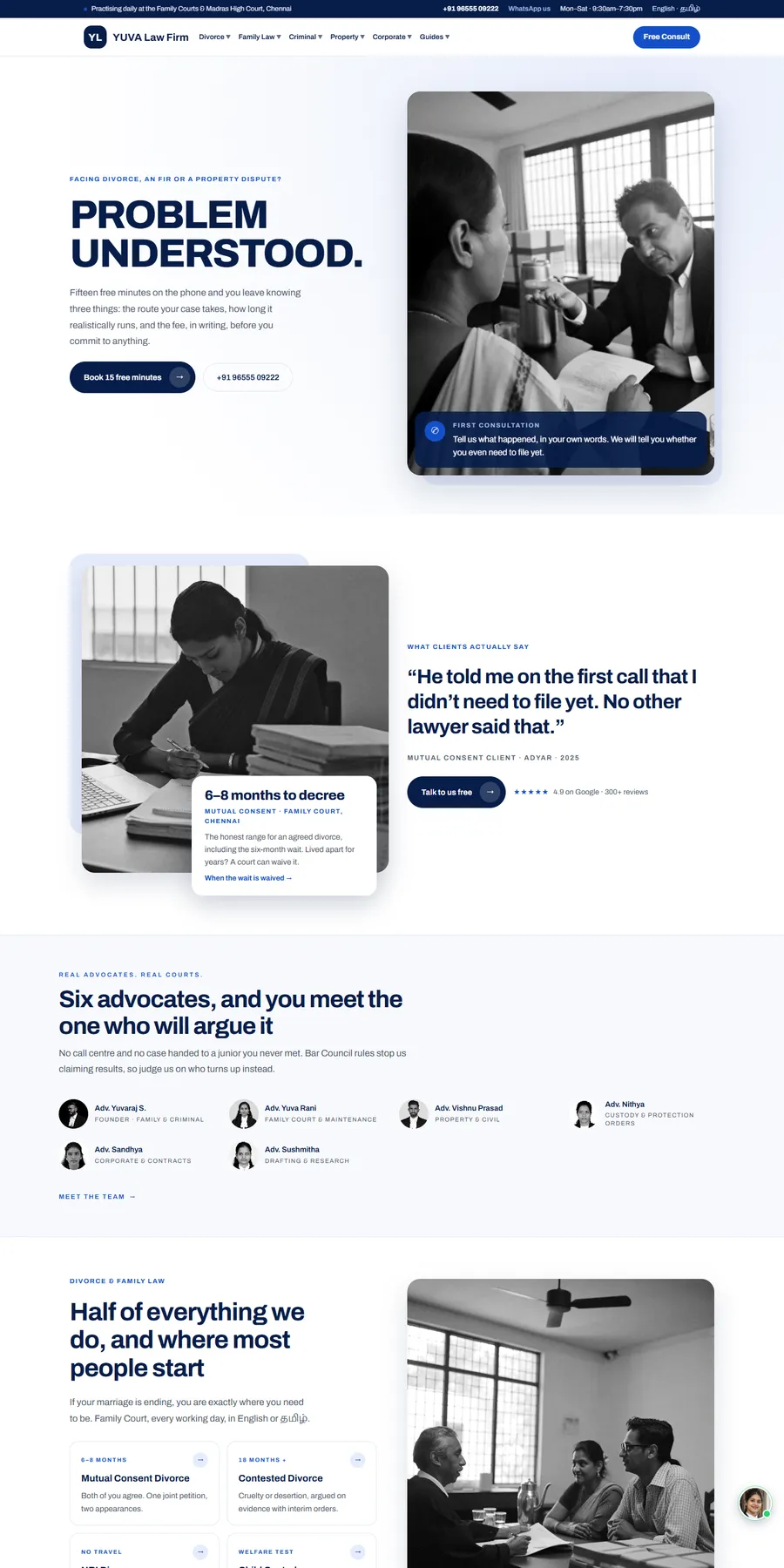
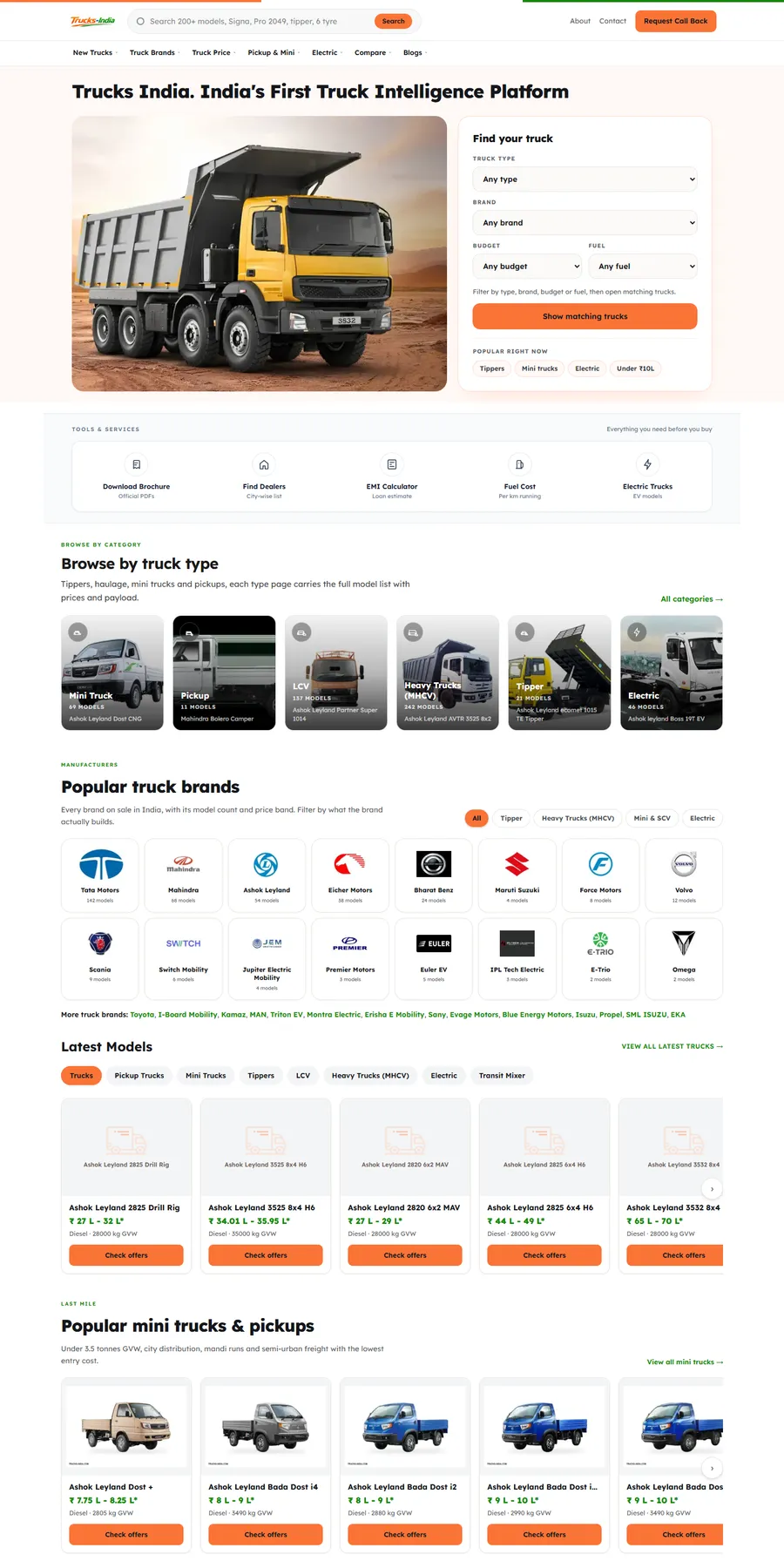
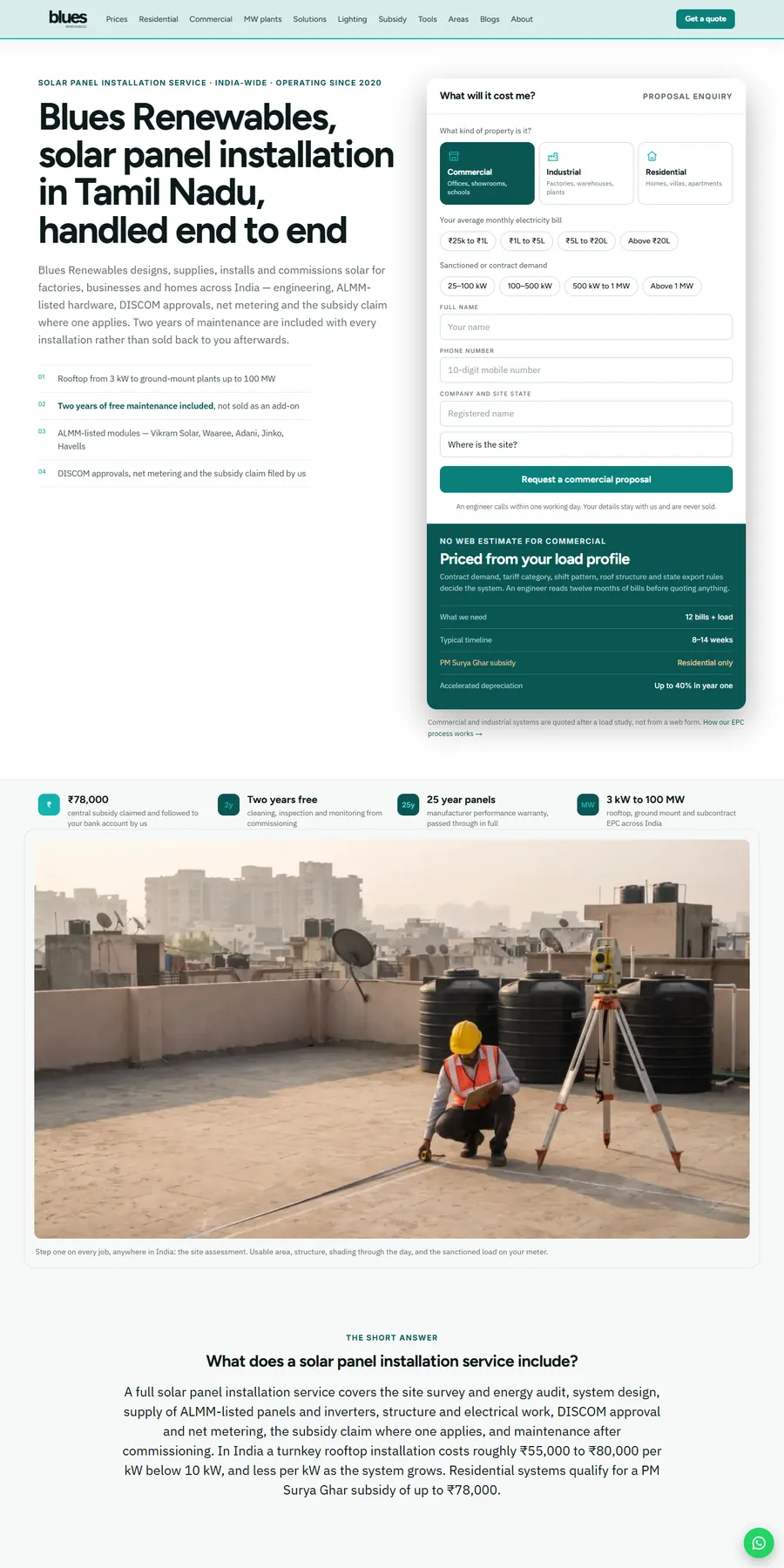
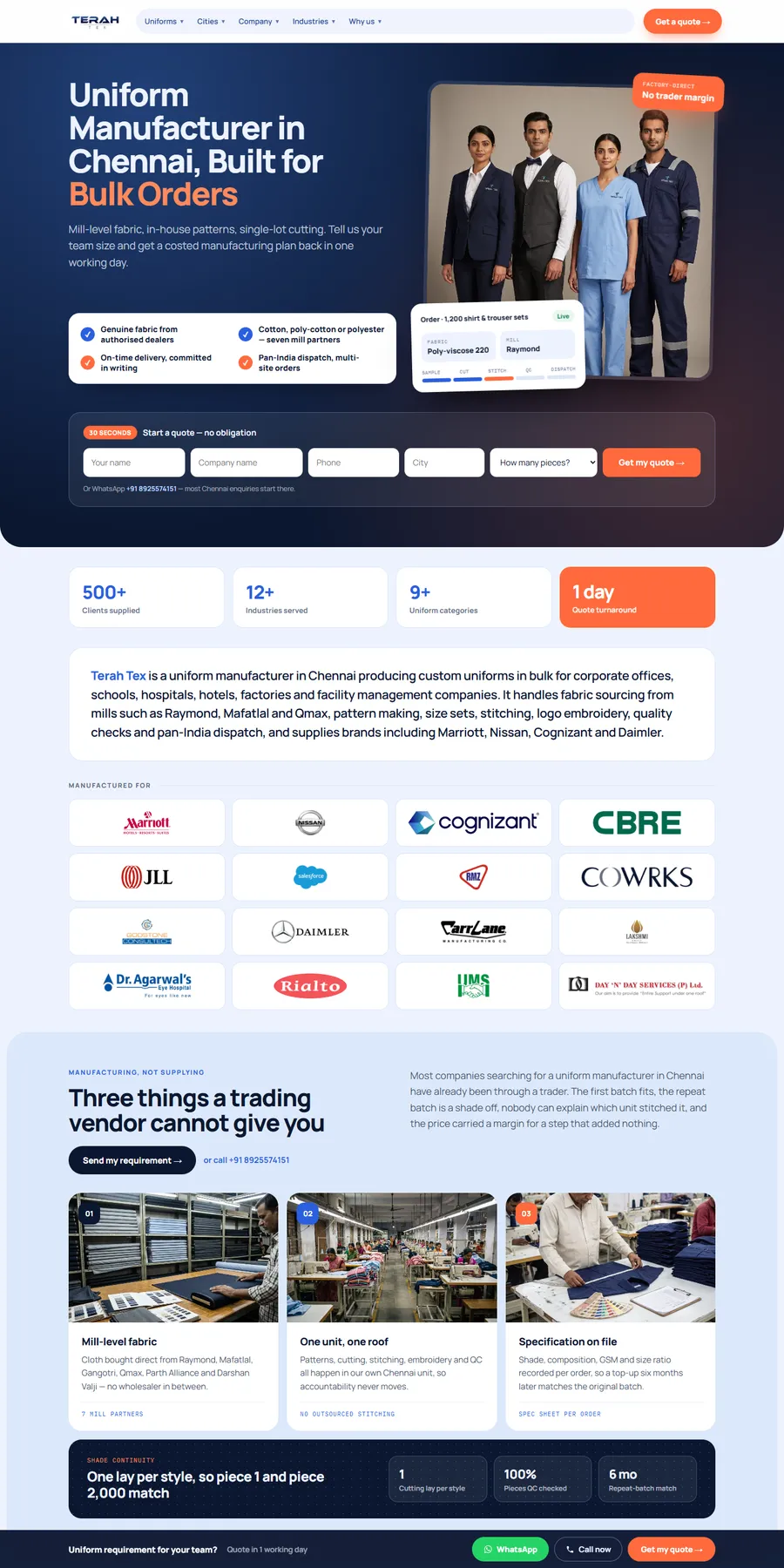
A treatment center grows on calls and insurance checks from people who compare options carefully, and on knowing which channel produced each one. Our lead system was built for exactly that. Blues Renewables, a local rooftop solar installer, got service pages, guides that answer buyers' questions, click-to-call and every call and form tracked as a GA4 lead event, and went from no tracked leads to 7 to 10 enquiries a week, with Google clicks rising from 14 to 560 a fortnight in two months. For a treatment center, its service pages become level of care pages, its guides become family and insurance pages, and its tracking separates admissions calls from insurance checks, in accounts the center owns. Terah Tex's two-step quote form, which took it from no website enquiries to about 5 bulk-order leads a week, is the pattern for a two-step insurance check. Our YUVA Law Firm site shows consultation forms written for people at a hard moment.

More websites we have designed and built

Process

How your addiction treatment website project runs

Typical timeline: 4 to 8 weeks for most treatment center sites; 8 to 12 weeks for groups with several facilities, levels of care or states. You see progress every week.

  1. Step 01 · Week 1

    Discovery and audit

    We audit your current site, competitors, and how you show up on Google and in AI answers, then agree on goals and a fixed quote.

  2. Step 02 · Weeks 2 to 3

    Strategy and design

    Sitemap, wireframes and full designs for your review. You approve everything before we build.

  3. Step 03 · Weeks 3 to 6

    Build and test

    Development, SEO setup, speed tuning, and testing across devices and browsers.

  4. Step 04 · Launch and beyond

    Launch and grow

    We launch, monitor, and improve based on real data. 30 days of free support included.

What shapes your quote

Scope, not hourly billing

Every project gets a fixed quote within 1 business day, agreed before work starts.

Get my fixed quote →
  • How many level of care, condition and family pages you need
  • Insurance verification form and any connection to your intake system
  • Call tracking setup and how many numbers and locations
  • Facility photography and video, and whether we write the content
  • Several facilities, states or programs for specific groups
  • Spanish-language pages and alumni or family program sections

Addiction treatment website questions, answered

Straight answers to what owners ask us, and what they ask Google and AI assistants. Ask us anything else.

How much does an addiction treatment website cost?

We quote one fixed price, agreed before work starts, based on the number of pages, features, integrations and content. You get it within 1 business day of a free audit of your current site. There is no hourly billing and never a fee tied to admissions.

Can we run Google Ads for our rehab?

Only after certification. Google requires US addiction treatment advertisers to be certified by LegitScript and by Google, and not every provider is eligible. A site that clearly shows your license, address, staff and levels of care supports that process. We build the site; your ads can stay with whoever runs them.

Can we use Meta and Google pixels on our site?

Not on admissions, insurance check or contact pages. Those pages can reveal that someone sought addiction treatment, which HIPAA and 42 CFR Part 2 protect. We send conversion events without health details and keep pixels off sensitive pages.

What is 42 CFR Part 2 and does it affect our website?

It is the federal rule protecting records of substance use disorder treatment programs, updated in 2024 with compliance required by 16 Feb 2026. Any form, chat or call recording that identifies someone as seeking your services needs careful handling and vendors that sign the right agreements.

Someone else ranks for our center's name. What can we do?

Make your own site and Google Business Profile the clear official answer: your exact name in titles, your address and number everywhere, schema, and consistent listings. We do not promise rankings, but a strong, consistent official presence is the base for everything else.

Should we show our prices?

At least explain how insurance, Medicaid where accepted and self-pay work, and show the good faith estimate notice self-pay patients are owed. Whether to publish self-pay rates is your call; we write the page either way.

Can the site take insurance information securely?

Yes. We build a two-step insurance check on a vendor that signs a Business Associate Agreement and the Part 2 agreements your counsel requires, and route it to admissions without sending it by plain email.

How do we show up in Google Maps and AI answers?

A Google Business Profile that matches your site, your real address and phone everywhere, a page per level of care, plain answers to family questions, license details as text and MedicalClinic schema. Nobody can guarantee a ranking or an AI mention, but accurate, consistent facts give them something to use.

Do we need ADA or WCAG accessibility?

The Justice Department says the ADA applies to the goods and services businesses offer on the web, and programs receiving HHS funds such as Medicaid have Section 504 deadlines in May 2027 or May 2028 for WCAG 2.1 AA. We build every site to that target.

How long does an addiction treatment website take, and who owns it?

Most take 4 to 8 weeks; groups with several facilities or states take 8 to 12 weeks. You get a dated week-by-week plan and a written update every week. You own the code, design, content, domain, numbers and every account from day one, with no lock-in.

What makes you different from another addiction treatment web design company?

Many behavioral health marketing companies tie fees to leads or admissions and keep the tracking numbers. We build a site you own outright, with privacy built into every admissions page, only the claims your license supports, and tracking in your own accounts. The terms are in writing first: a fixed quote in 1 business day, a dated plan and no lock-in. The same tracked lead system took Blues Renewables, a local service business, from no tracked leads to 7 to 10 inquiries a week.
Get your free addiction treatment website proposal

Four quick questions. You'll get a fixed quote and a free audit of your current site within 1 business day.

  • ✓ No obligation, no sales pressure
  • ✓ Fixed price, never hourly
  • ✓ Your details stay private

Prefer email? info@billionwebstudio.com

Step 1 of 4~60 seconds
What do you need?